Where to Buy Bamboo Stakes for Garden: Best Bulk Options
Finding the right place to buy bamboo stakes gets tricky the moment you care about consistency. Straightness, diameter, bundle counts, and reorders matter just as much as price when you are supporting tomatoes, trees, or a whole nursery bench.
This guide breaks down where to buy bamboo stakes for garden projects by buyer type, plus a fast quality checklist and a simple way to compare “cheap” vs “good value”. If you buy in volume or want to combine stakes with other garden and farm supplies, a wholesaler can simplify purchasing. Wellco Wholesale is a professional wholesale supplier offering a wide mix of bulk products, which can help trade buyers and also serve individual shoppers who want larger packs.

Best Bulk Options for Professionals and Trade Buyers
Bamboo’s popularity is not an accident. Guinness World Records notes that certain bamboo species have been found to grow up to 91 cm (35 in) per day, which helps explain why bamboo supply is widespread. The part that separates a good bulk buy from a frustrating one is sorting and spec control.
A quick way to choose the channel:
-
You want repeatable specs and predictable reorders: factory direct or a dedicated wholesale supplier
-
You want fast restocks and easy local returns: agricultural supply distributors
-
You want many quotes quickly: online B2B marketplaces, plus a tighter QC routine
An anonymized bulk example that shows why this matters. A small landscaping team ordered 2,000 “6 ft stakes” online for spring installs. The shipment arrived on time, yet many bundles mixed diameters and a noticeable portion were bowed. The crew lost time re tying plants and replacing stakes after the first wind event. The fix for the next order was simple: they required a diameter range, asked for bundle photos from two random stacks before shipment, and requested a small pre shipment sample carton. The second batch cost slightly more per stake, and labor dropped because tying became faster and stakes failed less.
What to request before you pay:
-
Length, diameter range, and an agreed straightness expectation
-
Bundle count per bale, carton count per pallet, and labeling format
-
A substitution rule, plus what happens if defect rate is higher than agreed
Where a wholesaler fits. If you want bulk bamboo stakes alongside ties, netting, twine, or other garden and farm items, a one stop wholesaler like Wellco Wholesale can reduce split shipments and simplify reordering.
Copy and paste spec sheet checklist for bulk orders
Use this as your message to suppliers:
-
Stake length: ___ (in / cm)
-
Diameter range: ___ to ___
-
Straightness expectation: “no severe bowing”, define what you will reject
-
Bundle count: ___ stakes per bundle, ___ bundles per carton
-
Moisture and mildew: confirm “dry, no mold odor, no soft spots”
-
Surface finish: “no sharp splinters at nodes”
-
Acceptable defect rate: ___% (example: 2 to 5% depending on project tolerance)
-
Proof before shipment: photos of random bundles plus packing list details
-
Reorder consistency: confirm same source and same spec for next season
Where to Buy Bamboo Stakes for Garden as a Retail Consumer
Retail shopping is about convenience and quick inspection. Big box stores are great for same day pickup, nurseries can offer more consistent quality, and online marketplaces offer variety if you verify specs.
A practical stake benchmark comes from Oklahoma State University Extension. They note that a six foot stake set ten inches deep in the soil works well for staking tomatoes, and they recommend tying the plant loosely to the stake about every 12 inches as it grows. Even if you are not growing tomatoes, that guidance helps you sanity check whether a retail bundle is long enough to be useful.
Big box home improvement stores
Best for: small quantities, common sizes, same day pickup.
In aisle checks that take under a minute:
-
Sight down the stake for straightness
-
Scan nodes for cracks and sharp splinters
-
Avoid bundles that feel damp or smell musty
Garden centers and nurseries
Best for: curated quality and accessories that protect stems.
Ask a simple question: “What stake size do local growers buy most for tomatoes and climbing plants?” When staff see returns and complaints all season, their answer is often a reliable shortcut.
Online retail marketplaces
Best for: wider selection, bundle deals, and shipped to your door.
How to reduce risk:
-
Filter by exact length and diameter, then confirm in the listing text
-
Prioritize recent review photos that show bundle thickness and straightness
-
Compare cost per foot, not only cost per pack
How to Choose Quality Bamboo Stakes Fast
Quality checks are easier when you pair them with the right use case. Heavy fruiting plants need more stiffness, and windy sites demand deeper anchoring and better ties.
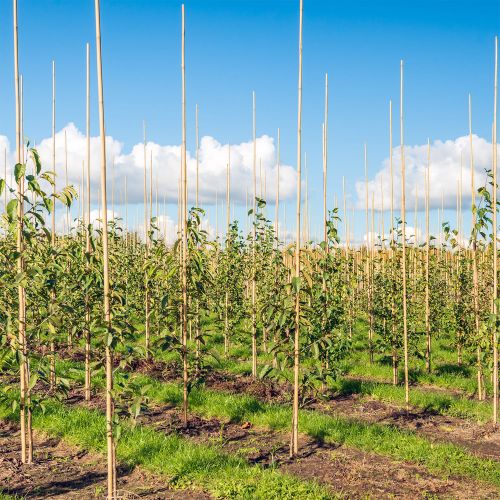
Iowa State University Extension and Outreach gives concrete staking specs for tomatoes that translate well to other tall, top heavy garden supports. Their guidance for single stake training includes placing a 7 to 8 foot stake 1 to 2 feet into the ground and tying the plant about every 12 inches along the stem using stretch ties or cloth strips. Use the numbers as a reference point for “serious support” projects.
The fast “10 stake test” for straightness and consistency
If you are buying in person, pick 10 stakes from two different bundles:
-
Roll each stake on a flat surface, obvious wobble usually means a bow
-
Compare diameters by feel, big swings predict uneven support and slower tying
-
Check nodes, splintering here tends to snag ties and scratch stems
Treated vs untreated and safety considerations
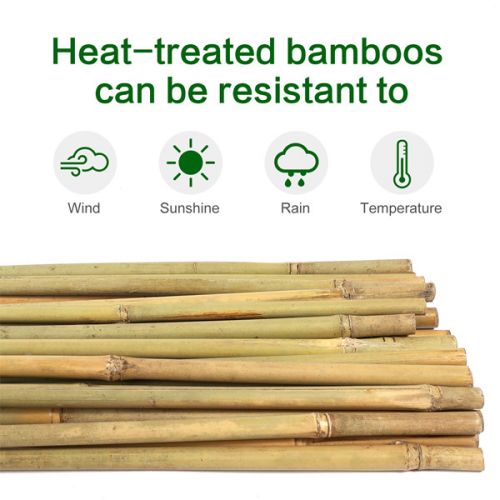
For edible gardens, many buyers prefer untreated bamboo stakes when product treatment details are unclear. If a stake is coated, stained, or marketed as treated, ask what the treatment is and whether the seller can provide a basic product statement.
General extension guidance on treated materials in garden settings emphasizes practical precautions. University of Maryland Extension discusses options for people concerned about treated wood in raised beds, such as using coatings or liners or choosing non wood alternatives. University of Florida IFAS also notes precautions for pressure treated lumber, such as avoiding burning and taking steps to reduce exposure to dust when cutting. You can apply the same safety mindset to any coated or treated garden support material: minimize direct contact with edible soil when uncertain, and choose clearer documentation when you need extra durability.
How to Buy Smarter and Pay Less
The lowest price stake can become expensive if it fails mid season or doubles your labor. Buying smarter is mostly about better comparisons and fewer surprises.
A concrete buying reference from Iowa State University Extension is their weave system guidance: drive a 6 to 7 foot stake about one foot into the ground every two plants, start weaving when plants are 12 to 14 inches tall, and add another layer of twine 6 to 8 inches above the last as plants grow. Even if you do not use the weave method, those numbers help you estimate how many stakes you truly need and how often you will interact with them.
Compare pricing the right way
Use three quick metrics:
-
Cost per foot of bamboo
-
Cost per season, including replacements
-
Cost of labor, especially if you are tying many plants
A slightly thicker stake can win on total cost if it reduces failures and cuts retie time.
Buy timing and storage that protects your money
Stock up before peak planting demand when selection is better and substitutions are less common. Store bundles dry, ventilated, and off the ground. Damp storage is one of the fastest ways to invite mold odors and early splitting.
Bulk ordering tips that prevent surprises
-
Request a sample carton for large orders
-
Confirm bundle count and acceptable defect rate in writing
-
Document delivery damage immediately with photos and carton counts
How these recommendations were selected
The “best” sources here are chosen by three practical criteria: spec clarity, consistency across bundles, and how easy it is to reorder or resolve issues. For bulk buyers, packaging discipline and predictable supply matter most. For retail buyers, in stock reliability and quick inspection wins.
Conclusion
Where to buy bamboo stakes for garden use depends on how much you value consistency and how many you need. Factory direct and wholesale channels tend to serve professionals best because they can lock specs, support reorders, and ship in cartons or pallets. Retail options shine when you need a small quantity today, and online marketplaces can be great when you verify specs and recent reviews.
If you want a streamlined buying path that can combine bamboo stakes with other bulk garden and farm supplies, Wellco Wholesale is a useful option for consolidating orders. Use the spec checklist, run the quick straightness test, and you will avoid the most common bulk and retail pitfalls.
Frequently Asked Questions
What diameter bamboo stakes should I buy for heavy fruiting plants?
For heavier loads, choose thicker stakes and prioritize diameter consistency within a bundle. If you are staking tall plants in wind, plan on deeper anchoring and better ties before you upsell yourself on height.
Are bamboo stakes safe for vegetable gardens?
Untreated bamboo is a common choice for food gardens when you want fewer unknowns. If stakes are coated or treated, ask what the treatment is and follow a cautious approach similar to extension advice for treated garden materials.
How do I tell if a bundle is low quality before buying?
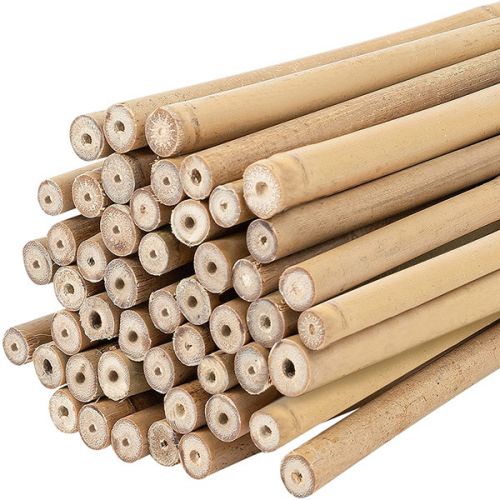
Look for obvious bowing, big diameter variation, damp or musty smell, and splintering around nodes. If possible, pull a few stakes from different bundles and compare them side by side.
Should I buy locally or order online?
Buy locally when you need immediate pickup or easy returns. Order online when you can verify specs, recent review photos, and the seller can confirm bundle counts and quality expectations in writing.
What is the simplest way to reduce breakage and mid season rework?
Anchor stakes deeper than you think you need, use soft ties, and tie at regular intervals as plants grow. Extension guidance for tomatoes often recommends tying about every 12 inches, which is a useful baseline for many tall plants.