Bamboo Canes for Sale: Sizes, Uses & Bulk Buying Tips

Categories: Bamboo Stakes
Posted: March 04, 2026

If you’ve ever opened a bundle that was labeled “straight stakes” and found bends, crushed ends, or a musty smell, you already know the purchasing truth: bamboo canes aren’t a true commodity until you define the grade.

This guide is written for:

  • Trade and professional buyers (nurseries, farms, landscapers, contractors) who need consistent lots at scale.

  • Retail buyers who still want reliable quality and clear specs.

You’ll also get the “Who / How / Why” behind the material—how bamboo is harvested, dried, and handled, and why those steps determine straightness, durability, and storage stability. If you’re buying bamboo canes alongside other agricultural, gardening, landscaping, or light building supplies, consolidating orders through a broad wholesaler can reduce vendor headaches; Wellco Wholesale positions itself as a factory-direct, one-stop wholesaler across those categories, which can be a practical fit for bulk programs and repeat replenishment.

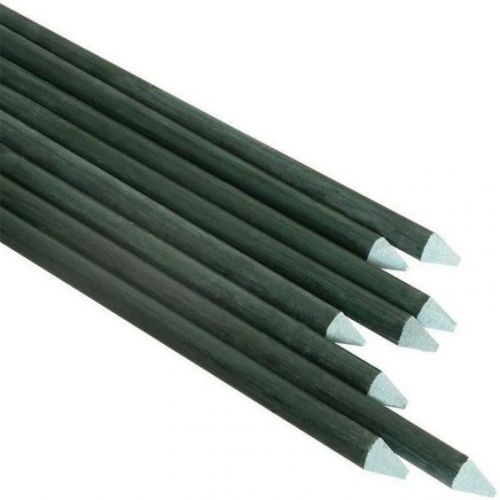
bamboo canes for sale

How Bamboo Canes Are Made and Why Quality Varies

Bamboo’s sustainability story starts with growth speed—Guinness World Records notes certain bamboo species have been observed growing up to 91 cm (35 in) per day. Fast growth is great for renewability, but it also means harvest timing and processing discipline are what separate dependable canes from frustrating ones.

Growth, harvest timing, and curing

  • Mature vs. young culms: In a controlled air-drying experiment (20°C, 65% RH), mature culms dried far more effectively than young culms—mature culm moisture content dropped to about 12.2% after 18 days, while young culms were still around 27.8%.

  • Curing is stability: Drying method, storage, and time reduce later warping and mold risk. If bamboo is packed while too wet (or stored in low airflow), you pay later in sorting labor and breakage.

Grading basics buyers should understand

A workable “grade” is a bundle of measurable traits:

  • Diameter and wall thickness (both matter for real stiffness)

  • Straightness tolerance (how much bow is acceptable across the length)

  • Nodes and taper (nodes add strength; uneven taper complicates tying/fit)

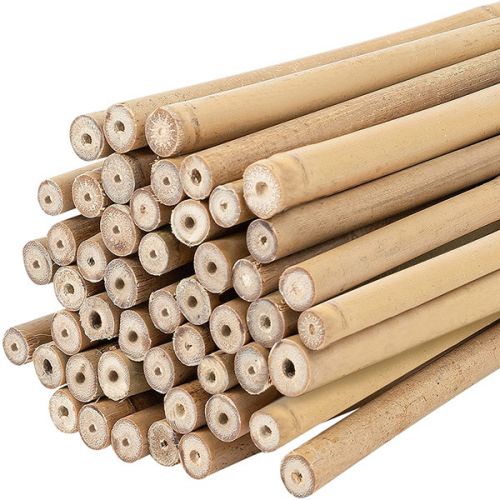
  • Common defects: splits, pinholes, mildew staining/odor, crushed ends, fuzzy fibers

Bamboo Canes for Sale: Choosing the Right Size and Grade

“Heavy duty” should mean matched to load, wind exposure, and span, not just a label.

Match cane size to the job

A practical sizing workflow:

  1. Define the load (crop weight + wind pull or tension from netting).

  2. Define the span (unsupported length is where bend shows up).

  3. Choose diameter + wall thickness that survives your worst week, not your best week.

Here’s a simple starting map (adjust up if you’re in high wind or heavy fruit loads):

Common job Typical cane approach
Light staking (seedlings, flowers) Shorter, smaller diameter; prioritize smooth finish
Tomatoes/peppers, light trellis Medium length; insist on better straightness tolerance
Vines/vineyard training, young trees Longer canes; tighter straightness; stronger ends
Markers / temporary site layout Lower grade can work if straightness isn’t critical

Buying insight: the longer the cane, the more you should pay for straightness—small bows become big alignment problems at distance.

Indoor vs. outdoor use considerations

Outdoor staking is a harsh environment:

  • UV + moisture cycling encourages surface checking.

  • Soil contact shortens life unless you use sleeves/caps or keep the base out of wet soil.

  • For many growers, untreated outdoor stakes are seasonal consumables—plan replacement cycles rather than expecting multi-year performance.

Best Use Cases by Industry

Bamboo canes earn their place because they’re lightweight, quick to deploy, and easy to cut/trim on site.

Gardening and nurseries

Uses include tomato stakes, climbing supports, propagation supports, and simple trellis frames. University extension guidance emphasizes that supporting tomato vines (staking, caging, trellising) can improve plant health, yield, and fruit quality.

Practical “experience” note from inspecting bundles: I’ve found the fastest way to avoid a bad batch is a two-minute triage—pull a few canes from the middle of the bundle, smell for mustiness, check ends for crushing, and sight down length for bow. That quick routine has saved more time than any price negotiation, because it prevents you from buying sorting labor.

Farms and orchards

Bulk use cases:

  • vineyard/vine training

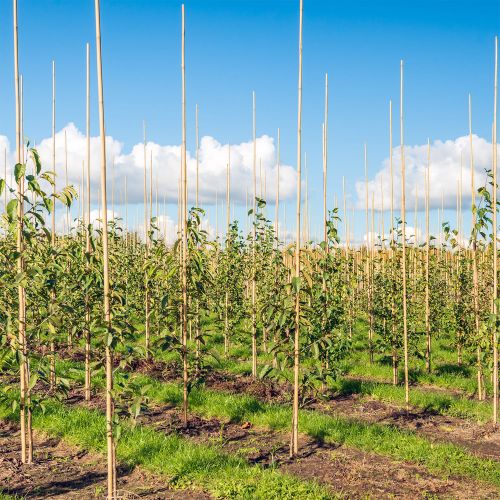
  • young tree support

  • row markers and temporary fencing lines

Operations tip: standardize on 2–3 core sizes so crews don’t waste time hunting the “right” bundle and your clips/ties fit consistently.

Landscaping and light building

Bamboo canes are great for non-structural tasks (markers, rustic screening, temporary frameworks). If you’re tempted to use bamboo structurally, note that structural design for bamboo culms is covered under ISO 22156:2021, which exists precisely because load-bearing use requires measured design methods, not assumptions.

What to Check Before You Buy

The goal is simple: pay for usable canes, not sorting and breakage.

A QC “mini-SOP” for receiving bamboo canes

Use this as a repeatable acceptance process:

  1. Sampling: for each lot/pallet, inspect at least 1 bundle (or ~3–5% of bundles). Pull samples from the outer and inner of the bundle.

  2. Straightness check: sight down the cane; flag canes with obvious bow that won’t suit your longest spans.

  3. End integrity: reject bundles with frequent crushed ends (predicts splits when driven or tied).

  4. Surface and odor: reject musty/mildew-smelling bundles or those with active mold spotting.

  5. Count and length variance: verify bundle count and measure a few pieces for length consistency.

Questions to ask any supplier

Ask before you scale:

  • Was the bamboo harvested as mature culms and how is that verified? (Maturity affects drying behavior.)

  • What’s the drying method (air-dried, kiln, solar-assisted) and how is moisture managed in storage?

  • How do they prevent mildew during storage and transit?

  • Can they supply lot-to-lot consistency for repeat orders?

Pricing, Ordering, and Logistics for Bamboo Canes in Bulk

Unit price is only half the story—your real cost is per usable cane after breakage and sorting.

What drives price

  • Diameter + length (shipping volume and handling go up fast)

  • Straightness + finish (more selection and processing)

  • Drying/handling controls (time, space, and quality discipline)

Shipping and storage best practices

  • Support bundles on pallets so they don’t sag mid-span.

  • Avoid sealing damp bamboo in plastic—ventilation matters.

  • Store off the floor with airflow; in humid regions, dehumidification during peak season prevents surprises.

  • Remember: bamboo that’s dried well can still re-absorb moisture if stored poorly; controlled drying studies show how much moisture can differ by maturity and conditions.

Sustainability, Treatment, and Compliance

Bamboo is often a sustainability-friendly choice because of its fast growth, but professional purchasing still requires documentation discipline. Guinness’ growth-rate record is a good reminder of bamboo’s regenerative potential.

Treatment and compliance notes

Three commonly mixed-up topics:

  • Anti-mildew handling (storage, airflow, packaging) — often the biggest factor in “warehouse mold.”

  • Insect/fungal treatments — may be used depending on supplier and destination requirements.

  • Fumigation / phytosanitary needs — requirements vary by region and product classification; verify what’s required for your destination and request disclosure paperwork where applicable.

If your supplier can clearly explain their drying/handling steps and provide transparent documentation, you reduce the risk of receiving “mystery bundles” that behave differently lot to lot.

Supplier Fit: When a One-Stop Wholesaler Helps

If you routinely buy bamboo canes plus related categories (garden supplies, farm supplies, landscaping materials, light building supplies), consolidated sourcing can mean:

  • fewer purchase orders

  • more predictable replenishment

  • simpler logistics planning across seasonal peaks

That’s where a broad supplier like Wellco Wholesale can be useful—especially if you’re managing bulk programs and want to keep purchasing centralized while still enforcing clear cane specs.

Conclusion

To buy bamboo canes for sale with fewer surprises:

  • Prioritize maturity and curing controls—they directly affect moisture stability and performance.

  • Match size + straightness tolerance to your longest spans and highest wind loads.

  • Treat receiving as a process: sampling, straightness checks, odor/surface checks, and count verification.

  • Plan storage like it matters—because it does.

If you want smoother seasons, write your specs once, send them to suppliers as a repeatable checklist, and buy from partners who can explain their “how” as clearly as their price.

Frequently Asked Questions

How long do bamboo canes last outdoors?

For many gardens and farms, outdoor canes are treated as seasonal items because UV, moisture cycling, and soil contact can shorten life. If you need longer service life, prioritize well-dried stock and consider sleeves or keeping ends out of wet soil.

What’s the biggest quality signal when buying in bulk?

Consistency across bundles and lots. Straightness, end integrity, and the absence of mildew odor are practical indicators that drying and storage were handled well.

Do I need treated bamboo canes?

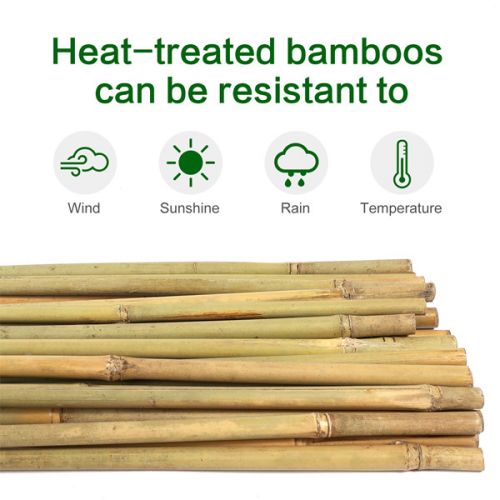
It depends on your environment and storage conditions. In humid, irrigated, or long-storage situations, treatment and/or better mildew-prevention handling can reduce losses—ask the supplier to disclose what’s used.

How should I store bamboo canes to prevent mold?

Keep bundles ventilated, off the floor, and away from walls, with airflow around them. Avoid trapping moisture in plastic wrap and consider dehumidification in humid regions.

Can bamboo canes be used structurally?

For true load-bearing structures, you should follow established design guidance and standards rather than improvising. ISO 22156:2021 addresses structural design for bamboo culms, which is a signal that structural use requires engineered methods.