
Shade Cloth for Plants: 30%, 50% & 70% Guide + Garden Installation | Wellco
Shade cloth for plants helps reduce heat stress, lower water loss, and protect vegetables, seedlings, and ornamentals from intense summer sun. The most important first step is choosing the right shade percentage: 30% to 50% works well for most vegetable gardens, while 60% to 70% is better for heat-sensitive plants, young transplants, and very hot climates.
Once you choose the right shade level, proper installation makes the system work better and last longer. This guide shows you how to measure shade cloth, choose support options, and install it securely over garden beds, hoops, frames, or existing structures so your plants stay cooler without losing too much light.
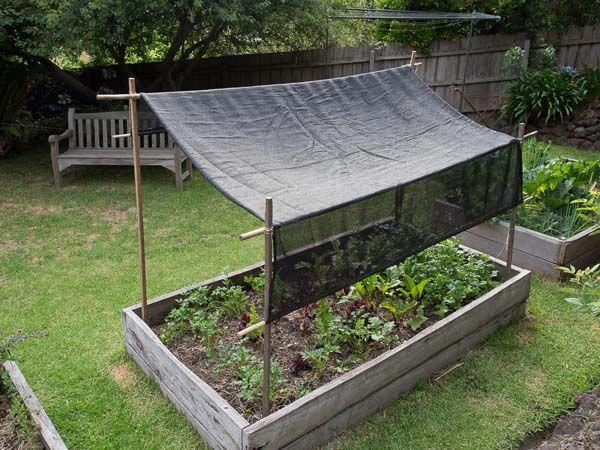
30-Second Answer (Most Gardens):
- Pick shade %: 30–50% for most vegetable gardens; 60–70% for heat-sensitive plants or very hot climates.
- Measure + add extra: add 6–10 in (15–25 cm) overlap + 12–18 in (30–45 cm) total for fastening and tension.
- Build support: poles + tension line for large areas; hoops/frame for raised beds.
- Attach + wind-proof: use clips/zip ties at intervals, reinforce edges, and keep the cloth taut (not over-stretched).
Need the fabric first? Shop shade cloth here.
In this guide:
Why Use Shade Cloth in Your Garden?
Shade cloth is an essential tool for gardeners in high-sun or high-heat areas. Plants can become overwhelmed by excessive sunlight, leading to wilted leaves, stunted growth, sunscald, and reduced fruit set. Shade cloth acts as a barrier, filtering sunlight while improving airflow and lowering canopy temperatures.
- Protection from overheating: helps keep plants cooler during peak sun.
- Reduced water loss: slows evaporation so irrigation lasts longer.
- Better plant performance: reduces stress so plants recover faster after hot days.
- Flexible coverage: easy to install over beds, rows, hoops, or frames.
Choosing the Right Shade Cloth (Shade % Cheat Sheet)
Not all shade cloths are the same. The most important decision is the shade percentage, which determines how much sunlight is blocked. Use the chart below as a practical starting point, then adjust based on your climate (cool vs hot) and crop sensitivity.
| Garden Use Case | Recommended Shade % | Works Best For | Common Mistake |
|---|---|---|---|
| General vegetable garden (most climates) | 30–50% | tomatoes, peppers, cucumbers, beans | going too dark and slowing growth |
| Hot summers / heat waves / full-sun beds | 40–60% | fruiting veg under extreme heat | installing too low (reduces airflow) |
| Leafy greens / seedlings / tender crops | 60–70% | lettuce, spinach, young transplants | not tightening edges → wind damage |
| Shade-loving ornamentals or nursery areas | 70–90% | ferns, shade plants, propagation areas | blocking too much light for sun crops |
Tip: If you’re unsure, start with a mid-range shade % and mount it higher so airflow stays strong—then adjust coverage as needed.
How Much Shade Cloth Do You Need? (Simple Sizing Formula)
This is the part most people skip, and it causes sagging, tearing, or not enough edge to secure properly. Use this quick method:
- Measure the coverage area (length × width).
- Add overlap if you will join pieces: plan 6–10 in (15–25 cm) overlap per seam.
- Add fastening allowance: add 12–18 in (30–45 cm) total to length and width for wrapping, clipping, and tensioning (more in windy locations).
Example: A 10 ft × 8 ft bed cover often needs fabric closer to 11–12 ft × 9–10 ft once you add fastening allowance and overlap.
Tools and Materials Needed (Shopping Checklist)
Here’s what you’ll need:
- Shade cloth (choose shade % and size) — shop options
- Support structure: poles, hoops, or a frame
- Fasteners: shade cloth clips, zip ties, or hooks (more fasteners = better wind resistance)
- Measuring tape + scissors (or utility shears)
- Mallet/hammer (for stakes/poles)
- Optional but recommended: grommets + grommet tool, bungee balls/cord for tensioning, ground stakes for corners
Conversion Tip: If you’re installing over a larger area, consider ordering extra fasteners and edge reinforcement (grommets or clips). It dramatically reduces tearing and rework.
Support Options: Poles vs Hoops vs Existing Structures
Your support structure decides how stable your installation will be—especially in wind.
Option A: Poles + Tension Line (Best for larger gardens)
- Pros: strong, scalable, easier to tension tightly
- Best for: wide beds, long rows, open areas
- Tip: run a top line (wire/rope) between poles so the cloth doesn’t sag in the middle
Option B: Hoops / Raised Bed Frame (Fast and simple)
- Pros: quick install, clean look, easy to remove seasonally
- Best for: raised beds, smaller plots, beginners
- Tip: keep hoops tall enough to prevent heat buildup and leaf contact
Option C: Existing structures (trellis, fence, pergola)
- Pros: minimal materials, fastest setup
- Best for: patio gardens, pergola beds, fence-side planting
- Tip: add extra clips at corners and edges to prevent fluttering
Step-by-Step Guide: How to Install Shade Cloth Over Your Garden
Step 1: Measure the Area (and plan fastening allowance)
Measure the length and width of the area you want to cover. Add extra fabric for overlap and fastening (see sizing formula above). Extra edge space makes installation tighter and more wind-proof.
Step 2: Choose and set your support structure
Install poles/hoops/frame first. Ensure everything is stable and level. For large areas, add a top tension line so the cloth stays supported across the span.
Step 3: Prepare the shade cloth edges (recommended)
Before you attach, inspect the edges. If you’ll be in wind or using high tension:
- Use grommets (or clips) along edges at regular spacing
- Reinforce corners (corners take the most load)
- Avoid over-stretching—taut is good, “drum-tight” can tear
Step 4: Drape and align the shade cloth
Drape the cloth over the structure, center it, and check coverage. If you’re joining multiple pieces, overlap 6–10 inches and fasten the seam with multiple ties/clips.
Step 5: Attach the shade cloth (work from corners → edges → middle)
Start at the corners, then secure edges, then add fasteners across the middle supports. Use clips/zip ties/hooks through grommets or around the frame.
Step 6: Wind-proof it (the step that prevents most failures)
- Add fasteners more frequently on wind-facing sides
- Use bungee cord/tensioning where possible so gusts flex instead of tearing
- Anchor corners with stakes or additional ties
- Check for flapping: fluttering fabric wears out quickly
Common Mistakes to Avoid When Installing Shade Cloth
- Choosing the wrong shade %: too dense can reduce growth; too light may not protect during peak heat.
- Not adding enough edge allowance: you end up with weak attachment points and sagging.
- Insufficient fasteners: edges flap → holes form → tears spread.
- Weak structure: poles/hoops must withstand wind load; reinforce corners.
Maintaining and Adjusting Shade Cloth for Different Seasons
- During summer: inspect edges weekly during windy periods; tighten slack immediately.
- During winter: consider removing the cloth in snow/ice regions to prevent damage and stretch.
- Cleaning: hose off dust/debris; dry before long-term storage to avoid mold.
FAQ: Shade Cloth for Plants & Garden Installation
1) What shade percentage is best for a vegetable garden?
Most vegetable gardens do well with 30–50% shade cloth. In very hot climates or during heat waves, 40–60% can help reduce stress without blocking too much light.
2) Can shade cloth increase yields?
In high heat, shade cloth can reduce heat stress and improve plant performance. The biggest gains usually come from preventing wilting, flower drop, and sunscald.
3) How do I keep shade cloth from blowing away?
Use more fasteners (especially on wind-facing edges), reinforce corners, keep the fabric taut, and consider tensioning (bungee cord) so gusts flex the system instead of tearing it.
4) Should the cloth touch the plants?
Try to mount it high enough so it doesn’t rest on leaves. Contact can trap heat and rub foliage in the wind.
5) Do I need grommets?
Not always, but grommets or quality clips make the installation stronger and easier to re-tension. They’re especially helpful for larger installs.
6) How much extra fabric should I buy?
Plan for overlap (6–10 inches per seam) and extra edge allowance (often 12–18 inches total added across length/width). Windy areas may need more.
7) Can I leave shade cloth up year-round?
You can, but removing it during harsh winter conditions can extend lifespan. At minimum, reduce slack and check for wear before each season.
8) Where can I buy shade cloth for plants?
You can browse sizes and options here: shade cloth for plants.
Conclusion & Call to Action
Installing a shade cloth over your garden is one of the easiest upgrades you can make for healthier plants in hot, sunny conditions. Use the shade % cheat sheet, size the fabric correctly, and wind-proof the edges—and you’ll get a stable setup that lasts season after season.
Ready to install?
- Shop shade cloth for plants →
- For larger projects: prepare your area size + desired shade % and request a bulk/wholesale quote (add your contact/quote link here).
Pro tip: After the first windy day, do a quick re-tighten. Most long-term installs fail because of early fluttering.