
Bamboo Garden Canes: Sizes, Uses, And Tips
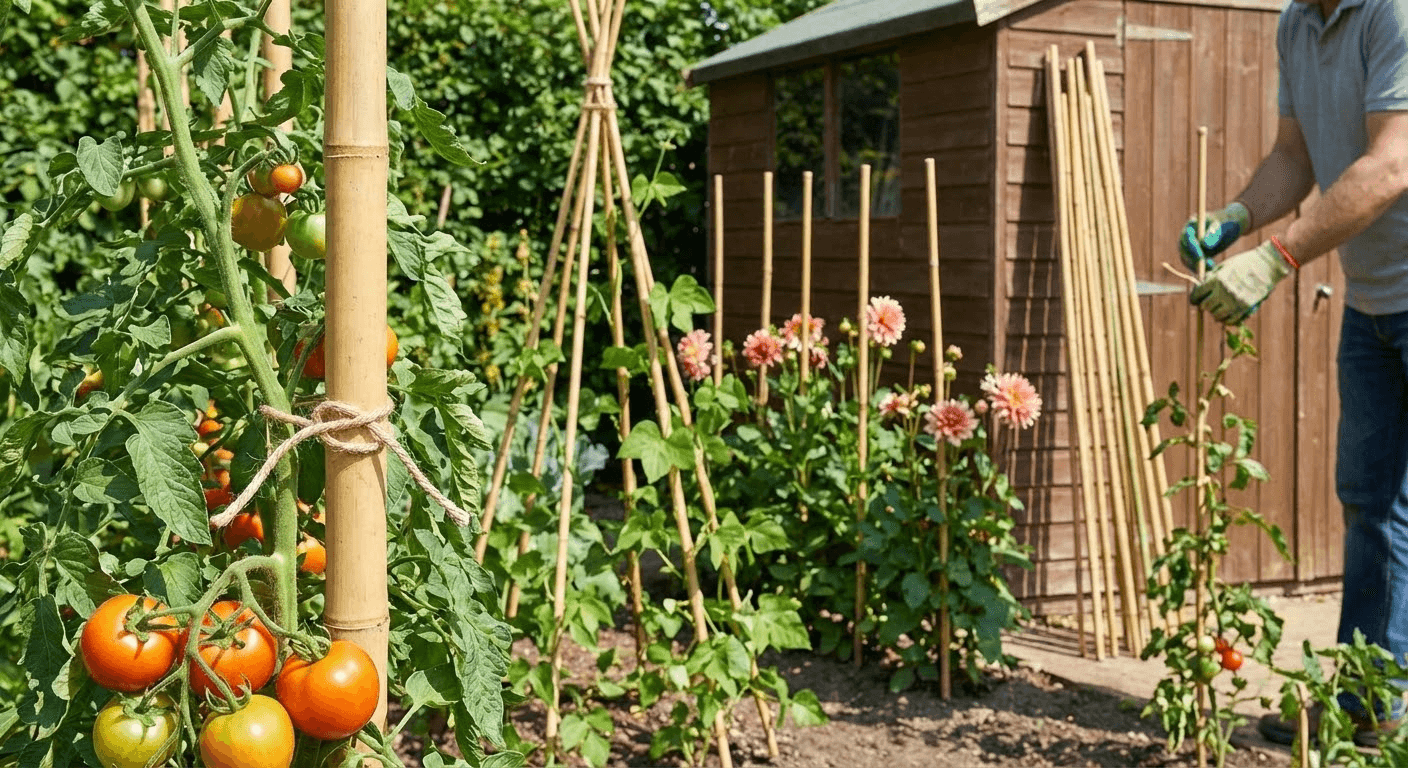
A bamboo cane looks simple—until you’ve tried to rescue a tomato that’s snapped under the weight of fruit or a row of flowers that’s flattened after a gusty night. Bamboo garden canes earn their place because they’re light, fast to install, and adaptable: one cane supports a seedling, and a handful becomes a sturdy teepee or grid.
Who this is for: trade and bulk buyers (growers, landscapers, garden centers, contractors) and home gardeners who want fewer failures and cleaner, more manageable beds.
How this was built: practical installation and procurement habits I’ve seen work in real gardens and crews, paired with established horticulture extension guidance and published bamboo material studies.
Why it matters: the right cane size, tying method, and storage routine can mean fewer broken stems, less fruit rot from soil contact, and faster maintenance.
For buyers who need consistency across sites, wholesalers can be helpful for standardizing specs and packaging. Wellco Wholesale, for example, supplies bulk garden and farm essentials alongside other wholesale categories—useful when you’re trying to keep seasonal replenishment predictable rather than piecemeal.
How Bamboo Garden Canes Work and When They’re the Best Choice
Why bamboo is strong for its weight
Bamboo’s hollow structure keeps it light, while the nodes (those ring-like joints) act as reinforcements. In practice, that balance gives you a support that flexes a bit in wind instead of snapping abruptly—ideal for many “light-to-medium” garden loads. Material research also notes how bamboo’s structure and nodes influence mechanical behavior under compression and cracking resistance.
Best-fit uses:
-
Seedlings and young transplants
-
Peppers and eggplant
-
Dahlias and tall annuals (with proper tying)
-
Beans/peas on teepees
-
Quick row supports and light training frames
When to choose a different support
Bamboo canes shine when setups are seasonal or semi-seasonal. Choose heavier systems when:
-
The crop is very heavy or trained for maximum load (large indeterminate tomatoes over a long season, melons on vertical trellis)
-
The site is high wind and exposed
-
You need permanent supports (metal posts, welded wire, livestock panels)
Decision shortcut: if two out of three are high—load, wind, season length—upgrade the support or add bracing.
Choosing Bamboo Garden Canes: Size, Grade, and Finish
A simple sizing method + quick crop guide
Use this method:
-
Start with expected plant height.
-
Add 6–12 inches for anchoring depth (more in windy or loose soil).
-
If the plant gets top-heavy, plan on a thicker cane or a multi-cane structure.
Here’s a practical mini-guide you can standardize for crews or stocking:
| Use case | Typical cane height | Typical thickness approach |
|---|---|---|
| Seedlings, small starts | 2–3 ft | thin |
| Peppers, eggplant | 4–5 ft | medium |
| Tomatoes (single stake) | 6–8 ft | medium to thick + frequent re-tying |
| Dahlias, tall annuals | 5–7 ft | medium + multiple tie points |
| Beans/peas teepees | 6–8 ft | medium + lash tops securely |
| Frames/grids/rows | 6–8 ft | thick for uprights, medium for crosspieces |
What “grade” really means (and how to spot it fast)
“Grade” labels vary, so inspect for what impacts performance:
-
Straightness: roll on a flat surface; excessive wobble becomes frustrating in frames.
-
Consistency: diameter range matters more than a single number—tight ranges install predictably.
-
Ends and splits: end cracks spread under repeated tying and wind.
-
Surface condition: avoid bundles with soft spots or widespread discoloration that suggests damp storage.
A quick receiving check: pull 10 canes at random, compare straightness and diameter feel, and count visible end splits. If variability is high, sort by thickness so crews still get reliable results.
Treated vs natural: durability and fit
You’ll see natural, heat-treated (“carbonized”), and sometimes coated finishes. Heat-treatment research on bamboo shows changes that can reduce moisture uptake and swelling behavior under certain conditions—often helpful for storage and reuse where humidity is a problem.
Rule of thumb:
-
Natural: great for short-season supports and dry storage.
-
Heat-treated: often better for reuse cycles and humid climates.
-
Coated: only choose if the coating is clearly disclosed and appropriate for garden use.
Practical Uses: Pro Techniques for Bamboo Garden Canes
Field note: what changed when I stopped “under-staking”
I used to grab “whatever stake was nearby” for tomatoes. After one windy week, I had multiple bent stems and fruit pressed into wet soil. Switching to thicker canes, driving them deeper, and tying with a figure-8 at multiple points cut damage dramatically—especially late-season when plants are heaviest. The biggest win wasn’t perfection; it was fewer emergency fixes and cleaner harvests.
Staking single plants without stem damage
-
Position: place the cane on the windward side where possible.
-
Depth: anchor firmly; deeper in loose soil or wind.
-
Tie method: use a figure-8 (one loop around cane, one around stem) so the stem doesn’t rub.
-
Tie materials: soft twine, plant tape, or clips—avoid thin wire directly on stems.
-
Maintenance: add ties as the plant grows; don’t wait for the first lean.
Extension guidance commonly highlights benefits of supporting tomatoes—saving space, reducing fruit rots, and making harvesting easier.
Building fast structures: teepees, grids, and rows
Think in structures, not single stakes:
-
Teepee: 4–6 canes around a circle; lash tightly at the top for beans/peas.
-
Grid/corral: corner canes + twine lines to contain floppy perennials or cut flowers.
-
Row support: canes spaced along a bed with twine runs for gentle, repeatable support.
For lashing, jute twine works well for seasonal setups, while stronger synthetic twine lasts longer for extended installs; commercial guidance often notes synthetic options resist breakdown better than natural fibers in long use.
Training and spacing for healthier plants
Support is also spacing control: keeping foliage and fruit off the soil improves cleanliness and can reduce rot risk. The practical benefit is fewer hidden problems and faster picking, especially in dense plantings.
Safety and Material Disclosure
-
Splinters: wear gloves when handling large bundles; sand rough ends if needed.
-
Coatings/treatments: for food gardens, prefer products with clear treatment disclosure. If you can’t confirm what’s on the surface, assume it’s not food-contact friendly.
-
Mold and damp storage: staining often starts in packaging. If bundles arrive damp, dry them promptly with airflow.
-
Cut ends: trimming can create sharp points—angle cuts away from high-traffic paths.
Longevity and Storage: Making Bamboo Garden Canes Last Longer
A few habits stretch service life:
-
Pull canes when the season ends (where practical), brush off soil, and dry thoroughly.
-
Store off the ground with airflow (racks or pallets).
-
Bundle and label by size for fast crew selection.
-
Rotate which end goes into soil to avoid concentrating decay.
Heat-treated canes often store more reliably in humid conditions because they can be less prone to moisture-related movement.
Buying Bamboo Garden Canes in Bulk: Specs, Packaging, and Cost Control
Specs to request
Consistency is the bulk buyer’s real savings. Ask for:
-
Length tolerance
-
Diameter range (and how it’s measured)
-
Straightness expectations
-
Treatment/finish disclosure
-
Bundle counts and palletization
-
Labeling needs (size tags, barcodes, SKU clarity)
This is where a wholesaler’s operational experience can add value: aligning specs and packaging so each reorder matches the last, and receiving is quick.
A fast receiving checklist
-
Verify bundle count and spot-check lengths.
-
Sample straightness and split rate.
-
Inspect packaging for dampness and widespread staining.
-
If variability exists, sort by thickness so the right cane goes to the right job.
Procurement tips for trade buyers and small retailers
-
Stock or order a core assortment (thin/medium/thick) that covers 80% of use cases.
-
Forecast for spring spikes; storage planning beats emergency reorders.
-
Standardize specs across crews and sites so training and installs stay consistent.
Wellco Wholesale’s positioning as a factory-direct, one-stop wholesaler across garden, agricultural, landscaping, and light building supplies fits this “standardize and simplify” approach—especially for buyers managing multiple categories in one purchase order.
Sustainability and End-of-Life Considerations
Bamboo is often marketed as renewable, but sustainability depends on harvesting practices, processing, treatment chemistry, and transport distance. Ask for origin transparency and treatment disclosure where possible.
End-of-life options:
-
Reuse straight canes for another season.
-
Repurpose offcuts as small stakes, labels, or drip-line anchors.
-
Compost only if untreated and suitable for your local composting setup; coated or treated products may need disposal instead.
Conclusion
Good results with bamboo garden canes come from matching the cane to the job: adequate height plus anchoring depth, enough thickness for the load, and a tying method that protects stems. Add a simple storage routine, and canes shift from “single-season consumable” to “reliable, repeatable tool.”
Action step: list your top three crops or use cases, standardize two or three cane sizes that cover them, and add a receiving + storage checklist. If you buy in volume, work with suppliers who can keep lengths, diameter ranges, and packaging consistent—your crews (and your plants) will feel the difference.
Frequently Asked Questions
How long do bamboo garden canes typically last?
With dry storage and seasonal use, many canes can be reused for multiple seasons. Constant ground contact and damp storage shorten lifespan, so end-of-season pulling and airflow storage make a big difference.
Are treated bamboo canes safe for vegetable gardens?
It depends on the treatment. Heat-treated/cabonized canes are common, but any surface coating should be clearly disclosed and appropriate for garden use—when in doubt, choose untreated or transparently specified finishes.
What size bamboo cane should I use for tomatoes?
Most tomatoes benefit from taller canes (often 6–8 ft) with enough thickness to handle late-season weight. If the site is windy or plants are vigorous, consider thicker canes and multiple tie points—or use a framed system instead of single stakes.
How do I prevent stems from getting damaged by ties?
Use soft ties and the figure-8 method so the stem isn’t rubbing directly against the cane. Check ties as plants grow; tight ties can girdle stems over time.
What should bulk buyers ask for to keep quality consistent?
Request length tolerances, diameter ranges, straightness expectations, and clear treatment disclosure. Also specify bundle counts, palletization, and labeling so receiving and job-site distribution stay efficient.