
Rebar Sizes Chart: #3 to #18, Diameter, Weight & Uses | Wellco
Quick reference chart for common steel rebar sizes from #3 to #18, including diameter in inches and mm, cross-sectional area, and weight per foot.
Looking for a quick rebar sizes chart? This guide covers common steel rebar sizes from #3 to #18, including diameter in inches and millimeters, cross-sectional area, weight per foot, and typical construction uses. It is designed as a fast reference for contractors, builders, and buyers who need to compare rebar sizes before ordering or specifying materials.
In the U.S., rebar sizes are identified by number, with each number representing the bar diameter in eighths of an inch. For example, #3 rebar is 3/8 inch in diameter, #4 rebar is 1/2 inch, and larger sizes are used for heavier structural loads. Use the chart below to compare steel rebar dimensions and choose the right size for slabs, footings, walls, and other reinforced concrete applications.
What is Steel Rebar?
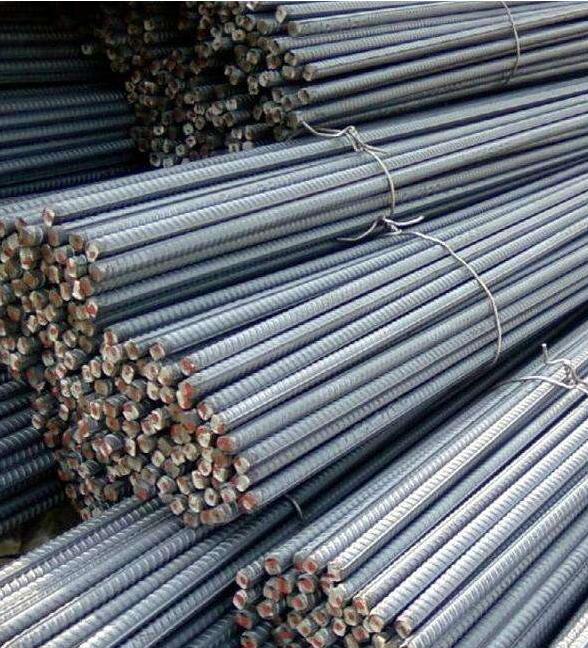
Steel rebar is a steel rod used in concrete to reinforce and strengthen it. These rods are typically made from carbon steel and are ribbed or textured to help them bond more effectively with concrete. Rebar is essential in construction projects, from building foundations and bridges to roadways and skyscrapers, providing the necessary support to withstand loads and prevent cracking.
Why are Steel Rebar Sizes Important?
Choosing the right size of rebar is crucial for the safety and stability of a structure. The size of rebar needed depends on factors such as the load the structure will bear, the type of concrete used, and the specific requirements of the project. Using the wrong size can lead to structural failures, costly repairs, or even dangerous conditions.
Understanding Rebar Size Notation
Rebar sizes are typically denoted by a number that corresponds to the diameter of the bar in eighths of an inch. For example, a #4 rebar has a diameter of 4/8 or 1/2 inch. This sizing system is standardized in the United States, making it easier for engineers and contractors to specify the appropriate rebar for their projects.
Common Steel Rebar Sizes Chart
Here is the reference table for the most common steel rebar sizes:
| Size | Dia (in) | Dia (mm) | Area (sq.in) | Weight (lb/ft) | Action |
|---|---|---|---|---|---|
| #3 | 0.375 | 9.525 | 0.11 | 0.376 | Check Price |
| #4 | 0.500 | 12.70 | 0.20 | 0.668 | Check Price |
| #5 | 0.625 | 15.88 | 0.31 | 1.043 | Check Price |
| #6 | 0.750 | 19.05 | 0.44 | 1.502 | Check Price |
| #7 | 0.875 | 22.23 | 0.60 | 2.044 | Check Price |
| #8 | 1.000 | 25.40 | 0.79 | 2.670 | Check Price |
| #9 | 1.128 | 28.65 | 1.00 | 3.400 | Check Price |
| #10 | 1.270 | 32.26 | 1.27 | 4.303 | Check Price |
| #11 | 1.410 | 35.81 | 1.56 | 5.313 | Check Price |
| #14 | 1.693 | 43.00 | 2.25 | 7.650 | Check Price |
| #18 | 2.257 | 57.33 | 4.00 | 13.60 | Check Price |
How to Choose the Right Rebar Size
Selecting the appropriate rebar size involves considering several factors:
- Structural Load: Determine the weight and stress that the structure will endure. Heavier loads typically require larger rebar sizes.
- Concrete Mix: The type of concrete used can affect the rebar size. Some mixes may require stronger reinforcement.
- Project Specifications: Follow the engineering plans and specifications, which often dictate the rebar size based on regulatory and safety standards.
- Local Building Codes: Always check local building codes, as they may have specific requirements for rebar sizes in different types of construction.
Conclusion
Understanding steel rebar sizes is a vital aspect of any construction project. By selecting the correct size, you ensure the safety, durability, and longevity of your structure.
Need Wholesale Rebar?
We offer competitive bulk pricing on high-quality rebar.