
What Is the Best Shade Cloth for Garden Use?
A garden can look strong at breakfast and wilt by mid-afternoon when summer sun, dry wind, and hot soil hit at the same time. That is when many gardeners realize the problem was not the plant variety alone. The garden needed the right amount of shade, installed in the right place, at the right time.
This guide helps you choose the best shade cloth for garden beds, raised beds, seedlings, patios, and small farm plots. You will learn how shade percentage, material, color, size, and installation details affect plant health, comfort, and long-term value.
Wellco Wholesale supplies garden shade cloth and related agricultural products for homeowners, hobby gardeners, small farm owners, and project buyers who want wholesale pricing with flexible 1-piece MOQ ordering. The company also supports fast U.S. shipping from its California warehouse and free shipping on orders over $300.
What Does Shade Cloth Do for a Garden?
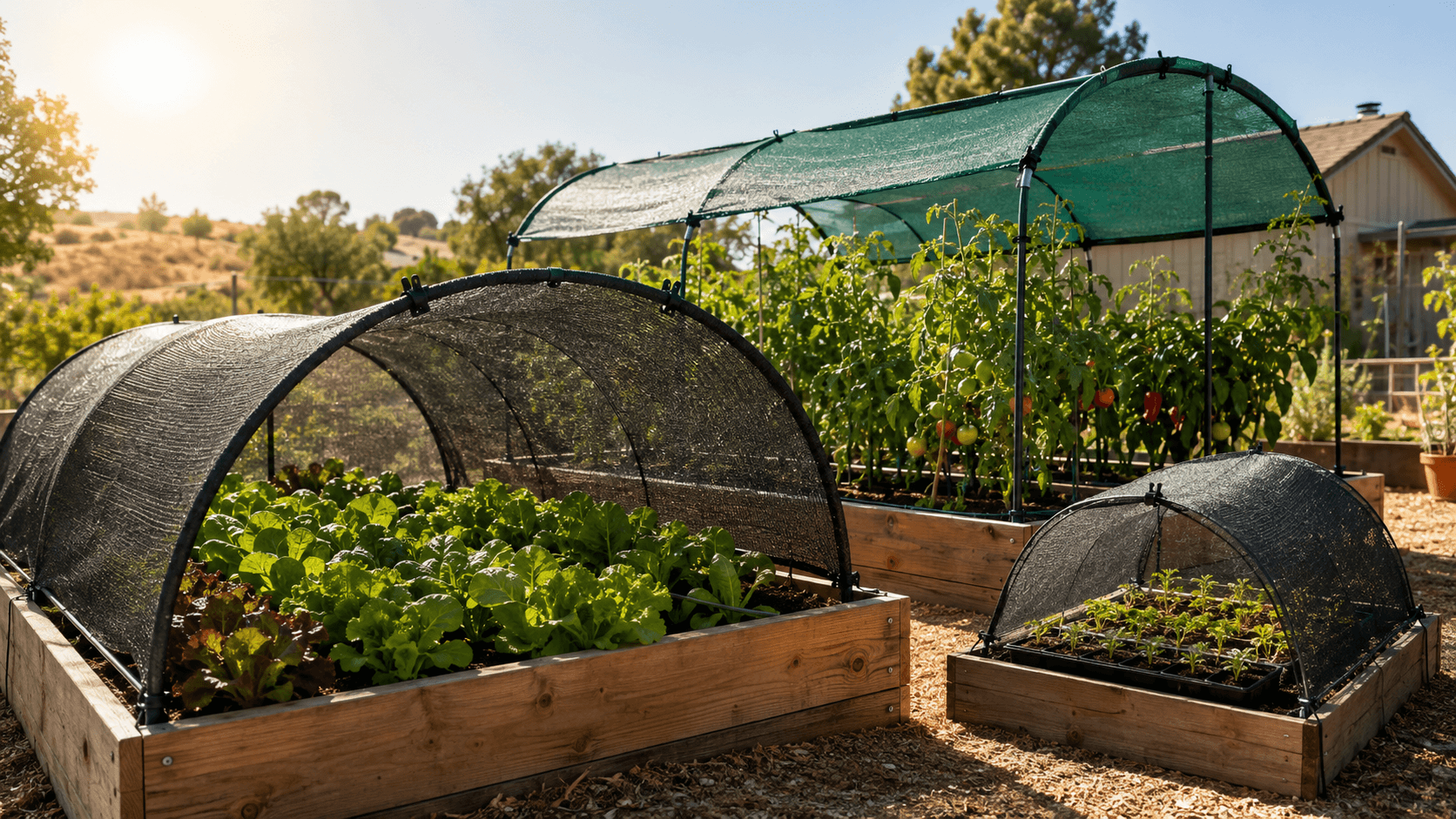
Shade cloth reduces the amount of direct sunlight that reaches plants. This helps lower leaf temperature, slow moisture loss, and reduce sunburn on tender foliage. For most gardens, the goal is not to make the area dark. The goal is to reduce harsh heat while keeping enough light for healthy growth.
Common shade rates include 30%, 40%, 50%, and 70%. A 30% cloth blocks about 30% of sunlight, while a 70% cloth creates much heavier coverage for seedlings, nursery areas, patio shade, or sensitive plants.
Shade cloth works best as part of a complete garden care plan. You still need proper watering, airflow, soil health, and plant monitoring. Shade cloth supports heat protection, but it does not fix every growing problem by itself.
How shade cloth protects plants from heat stress
Heat stress often shows up as wilting, curled leaves, scorched edges, blossom drop, or slowed growth. Shade cloth helps by reducing the intensity of direct sunlight before it reaches the plant canopy.
For example, lettuce and spinach often bolt quickly in hot weather. A light to medium shade cloth can help extend their usable growing window. Tomatoes and peppers still need strong light, yet they may benefit from afternoon protection during heat waves.
Climate matters too. A garden in a mild coastal area may need lighter coverage than a rooftop garden or inland backyard that receives full afternoon sun.
What shade percentage is best for most garden plants?
Most vegetable gardens do well with 30% to 50% shade cloth during hot weather. Fruiting crops usually need lighter shade, while leafy greens, seedlings, and tender transplants can handle more protection. For general home garden use, 40% shade cloth often gives a practical balance between cooling and light access.
Use that range as a starting point, then adjust based on plant response. If leaves scorch or wilt daily, you may need more protection. If plants stretch, pale, or flower poorly, the shade may be too heavy.
How to Choose the Best Shade Cloth for Garden Beds
Price per roll matters, but plant fit matters more. A shade percentage that helps lettuce may reduce tomato production if you leave it up through the whole fruiting season.
Match shade percentage to plant type
The table below shows common garden uses and the shade levels that usually fit them best:
| Plant Type | Recommended Shade Percentage | Best Use Scenario | Buying Tip |
|---|---|---|---|
| Tomatoes, peppers, cucumbers | 30% to 40% | Afternoon heat protection | Avoid heavy shade during flowering and fruiting |
| Lettuce, spinach, soft herbs | 40% to 50% | Summer leaf protection | Use during peak heat to reduce bolting |
| Seedlings and transplants | 50% to 70% | Temporary recovery after planting | Remove gradually as plants establish |
| Flowers and ornamentals | 30% to 60% | Sun-sensitive beds or patio planters | Match shade level to each plant variety |
| Patio or comfort shade | 70% to 90% | Seating, pergolas, chicken runs | Prioritize UV resistance and reinforced edges |
For edible gardens, 30% to 50% coverage usually gives enough relief without cutting too much light. Fruiting vegetables need extra caution because flowers and fruit development depend on strong sunlight.
Consider climate, season, and sun exposure
The same shade cloth can perform differently in different gardens. A backyard bed with morning sun and afternoon tree shade may only need light seasonal coverage. A small farm row in a hot inland area may need stronger protection during summer heat waves.
You can also use shade cloth only during the harshest part of the day. Some gardeners install cloth over hoops or frames so they can pull it back when the weather cools or when plants need more direct light.
A small grower protecting leafy greens may install 40% to 50% shade cloth during late spring and summer, then remove it in cooler months. That seasonal approach helps prevent overheating without slowing growth when sunlight becomes limited.
Shade Cloth Materials, Colors, and Construction
After shade percentage, material and construction affect durability, airflow, and installation. Garden shade cloth often faces UV exposure, wind, rain, clips, seasonal storage, and repeated handling.
Knitted vs woven shade cloth
The table below compares the two common construction styles so you can match the fabric to your setup:
| Feature | Knitted Shade Cloth | Woven Shade Cloth | Best For |
|---|---|---|---|
| Airflow | Strong airflow in many garden uses | Can feel denser depending on weave | Hot gardens needing ventilation |
| Cutting | Often resists unraveling better | May need more careful edge handling | DIY sizing and custom fits |
| Wind performance | Flexible under movement | Can pull harder on fasteners if tightly installed | Hoop frames and raised beds |
| Durability | Good for seasonal garden use | Good for heavier-duty coverage | Larger structures or repeated use |
| Installation | Easier for many home gardeners | May need stronger support | Fixed shade areas and long rows |
Knitted shade cloth often works well for home gardens because it allows airflow and handles cutting more easily. Woven cloth can suit larger or more fixed installations where you want a heavier fabric and stronger support structure.
For long-term value, look for UV-stabilized polyethylene, strong stitching, reinforced edges, and reliable attachment points. These details can matter more than the lowest unit price if you plan to reuse the cloth for multiple seasons.
Black, green, white, or aluminet shade cloth
Color affects appearance, heat behavior, and light quality. Black shade cloth is common, durable, and effective for general sun blocking. Green blends into garden settings and often looks more natural around raised beds, fences, and landscaping.
White shade cloth reflects more light and can create a brighter covered area. Aluminet-style reflective cloth can help reduce heat buildup in high-sun settings, though many home gardeners choose black or green because they are easier to source and often more affordable.
Choose color based on climate, plant sensitivity, and visibility. A decorative backyard may favor green. A utility growing area may prioritize shade rate, UV resistance, reinforced edges, and price.
Is black or green shade cloth better for a home garden?
Black shade cloth is a strong choice when you want durable sun blocking and broad availability. Green shade cloth works well when you want garden coverage that blends into the landscape. For many home vegetable beds, either can work if the shade percentage, size, and installation quality match the plant’s needs.
Do not choose by color alone. A 70% green cloth can block far more light than a 40% black cloth, so shade percentage matters more than appearance for plant performance.
Best Shade Cloth Applications for Home Gardens and Small Farms
Once you understand the specs, match the cloth to the actual job. The best choice depends on whether you need summer crop protection, transplant recovery, seedling shade, animal shade, or outdoor comfort.
Vegetable gardens and raised beds
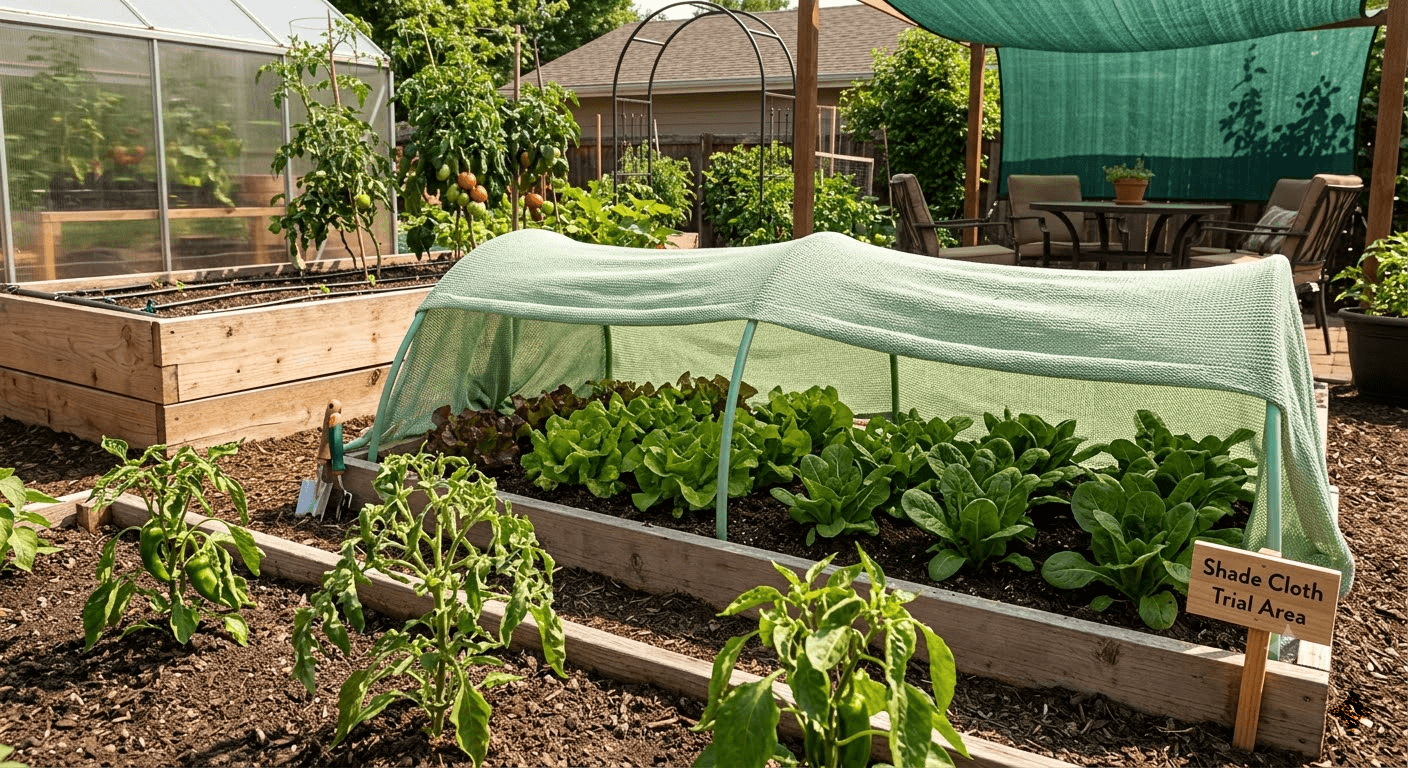
For raised beds, shade cloth works well over hoops, wood frames, wire supports, or garden arches. Many gardeners use 30% to 50% cloth for lettuce, spinach, peppers, tomatoes, beans, and herbs during hot weather.
Lettuce and spinach may need stronger protection because they react quickly to heat. Tomatoes and peppers need caution because too much shade can reduce flowering and fruit set.
Watch the plants after installation. If leaves look healthier and midday wilting drops, the cloth is helping. If plants become stretched, pale, or slow to flower, reduce the shade or raise the cloth to improve light exposure.
Seedlings, nursery starts, and young transplants
Seedlings and transplants need extra care because their roots have limited reach and their leaves can scorch quickly. A 50% to 70% shade cloth can help for a short recovery period after planting.
For example, you might cover young vegetable starts for three to seven days after transplanting during a warm week. Once the plants stand upright and produce new growth, reduce the shade or lift it higher to increase airflow and light.
This temporary use can make shade cloth especially valuable for gardeners who start plants indoors, buy nursery starts, or transplant during unpredictable spring and summer weather.
Patios, pergolas, chicken runs, and small greenhouse areas
Shade cloth also works beyond vegetable beds. You can use higher shade percentages for patios, pergolas, chicken runs, potting benches, and small greenhouse areas. For comfort shade, 70% to 90% cloth can feel more practical than light garden-grade coverage.
For chicken runs and animal areas, airflow and secure fastening matter as much as shade level. For greenhouse use, the right percentage depends on plant type, ventilation, and local heat patterns.
For patios and pergolas, color and edge finish also matter because the cloth becomes part of the visible outdoor space. In those areas, reinforced edges, grommets, and neat installation can make the setup look cleaner and last longer.
Buying Guide: Size, Installation, and Long-Term Value
The right shade percentage can still disappoint if the cloth is too small, stretched too tightly, or poorly secured. Before ordering, measure the space and plan how the cloth will attach.
Measure before ordering
The table below shows what to check before choosing a size:
| Factor | What to Measure | Why It Matters |
|---|---|---|
| Covered area | Bed length and width | Prevents gaps over sensitive plants |
| Overlap | Extra 6 to 12 inches per side | Helps with fastening and edge coverage |
| Support height | Frame, hoop, or pole height | Improves airflow and keeps cloth off leaves |
| Attachment points | Clip, rope, or grommet spacing | Reduces sagging and wind damage |
| Seasonal access | Space for lifting or removing cloth | Makes watering, harvesting, and pruning easier |
For a 4×8 raised bed, do not buy a flat 4×8 piece unless you plan to lay it directly over a frame with no extra edge room. If you use hoops, measure over the curve from one side of the bed to the other, then add 6 to 12 inches on each side for fastening.
This small measuring step prevents one of the most common mistakes: buying a cloth that technically covers the bed but does not leave enough material for clips, ties, or grommets.
Choose edges, grommets, clips, and support structure
Installation accessories affect how well the cloth performs over time. Reinforced edges and grommets make setup easier for fixed frames. Clips work well for temporary installations over hoops, netting supports, or small garden structures.
Wind load deserves attention. A large cloth panel can pull hard against a frame, especially during storms or strong afternoon gusts. Use enough fastening points, avoid sharp corners, and keep the cloth slightly tensioned without overstretching it.
This is where flexible ordering can help. Wellco Wholesale’s 1-piece MOQ allows homeowners and small growers to test one shade percentage, size, or installation style before expanding coverage across more beds. Trade buyers and resellers can also evaluate product fit before larger seasonal restocking.
How much shade cloth do you need for a garden bed?
Measure the full length and width of the area you want to cover, then add extra material for overlap and fastening. For most raised beds, add 6 to 12 inches on each side. The cloth should attach securely without stretching so tightly that wind or frame movement tears the edges.
If you use hoops, measure over the curve rather than across the flat bed width. For larger rows or small farm plots, also consider access paths, irrigation lines, and whether the cloth needs to lift for harvesting.
Common Mistakes to Avoid When Choosing Shade Cloth
A better shade cloth choice often comes from avoiding a few common problems. The wrong shade percentage, poor installation, or all-season use can create new issues while solving heat stress.
Using too much shade for fruiting vegetables
Fruiting vegetables need sunlight to flower and produce. Tomatoes, peppers, cucumbers, squash, and beans often respond better to 30% to 40% shade than heavy coverage.
Too much shade can lead to lush green leaves with fewer flowers or smaller harvests. If you grow fruiting crops, use shade cloth during peak heat and remove or reduce it when temperatures become manageable.
Buying only by price
Low price can look attractive, especially for a temporary garden project. Still, long-term value depends on UV resistance, fabric weight, edge quality, grommet strength, and how well the cloth handles wind and repeated installation.
A stronger cloth may save money if you reuse it for several seasons. For small buyers, flexible ordering helps because you can test one size or shade rate before expanding coverage across more beds.
Leaving shade cloth up all season without checking plant response
Shade cloth should respond to plant needs, weather, and season. Check leaf color, growth habit, flowering, soil moisture, and pest pressure after installation.
If plants stretch toward light, reduce shade. If leaves scorch, add coverage during hotter hours. If growth improves and moisture holds longer, your setup is doing its job.
Do not treat shade cloth as a set-and-forget product. The best results come from adjusting coverage as crops mature and weather changes.
Conclusion
Choose shade percentage based on plant type first. Most vegetable gardens can start with 30% to 50% coverage, while seedlings, leafy greens, and comfort shade may need stronger protection.
Match material and color to your climate, airflow needs, garden appearance, and installation method. Knitted cloth often suits DIY garden use, while woven cloth can work well for larger or more fixed shade structures.
Measure before ordering. Add extra material for overlap, fastening, hoops, and seasonal access so the cloth protects plants without tearing or sagging.
Monitor plant response after installation. Healthier leaves, less midday wilting, steady flowering, and better soil moisture are signs that your shade setup fits the garden.
[Shop Wellco Wholesale's full range with 1-piece MOQ and free shipping over $300 →]