
Big Bamboo Stake for Grape Vine: Buy bulk, Avoid splits
The fastest way to waste a morning in a vineyard or landscape job is redoing stakes: one bad swing cracks the bamboo, the stake leans, the young trunk bends, and suddenly you’re “fixing” instead of training.
This guide is for vineyard crews, landscapers, market growers, and DIY gardeners who want a reliable, repeatable setup for a big bamboo stake for grape vine—including how to choose the right stake, install it without splitting, tie safely, and order bulk lots without ending up with inconsistent bundles.
If you buy in volume, wholesalers like Wellco Wholesale can be useful because they’re built around bulk purchasing (garden/farm/landscaping supplies in one place). But the real leverage is your spec sheet + incoming QC, which we’ll cover so the lot quality doesn’t come down to luck.
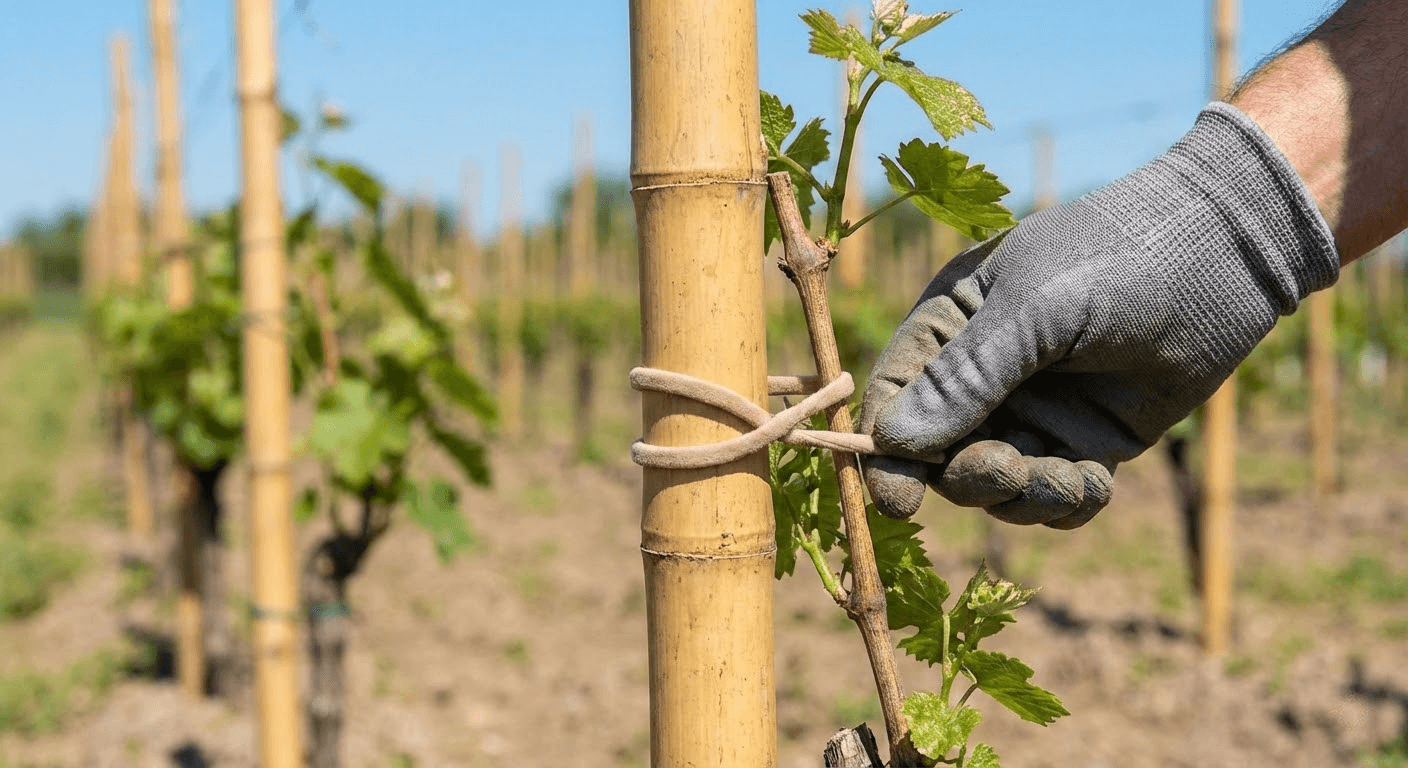
Choosing the Right Big Bamboo Stake for Grape Vine
Stake size basics: height, diameter, and stiffness
Pick stake size based on where you need the trunk to be this season.
-
Height: For early training, 4–6 ft (1.2–1.8 m) is a practical range for many setups. If your goal is to train toward a higher wire, choose a stake that supports the trunk close to that transition point so you don’t get a “dog-leg” bend.
-
Diameter: A common “big” range for bamboo stakes used in vineyards and heavy garden training is 16–25 mm for many young vines, and 25–32 mm for windier sites, looser soils, or rougher handling.
-
Stiffness check (fast): Lightly flex the stake. If it whips easily, it’s more likely to lean as the canopy adds weight.
Expert guidance theme (industry-standard): training guidance consistently emphasizes two things: keep the trunk supported and straight, and keep ties loose enough to avoid restricting growth. Treat those as non-negotiables.
Quality checklist: straightness, nodes, wall thickness, and defects
When you buy bulk, quality varies by lot. Use this quick check:
-
Straightness: Minor curve is OK; strong bow is not. A bowed stake becomes a leaning vine.
-
Nodes: Nodes act like reinforcement points. More evenly spaced nodes usually mean better resilience.
-
Wall thickness: Thin-walled stakes split more easily when driven.
-
Reject defects: long cracks, crushed ends, soft/mushy spots, visible mold, insect holes.
Treated vs untreated bamboo: what “treated” really means
“Treated” could mean heat treated, kiln dried, or borate treated. For grape vines:
-
Untreated: works for short training cycles or dry climates where stakes aren’t wet for long.
-
Dried/treated: can reduce mold during storage and improve multi-season durability, especially near the ground line.
Ask any supplier: How is bamboo dried and stored before shipping? Storage mistakes can undo good material.
How to Install a Big Bamboo Stake for Grape Vine Without Splitting It
Timing and placement
Install at planting or early spring, before growth gets tangled and fragile.
-
Place the stake 2–4 in (5–10 cm) from the vine so you don’t rub the trunk or spear roots.
-
If you can, put the stake on the windward side so the vine presses into support instead of pulling away.
Driving depth and stability
Depth beats brute force.
-
Typical baseline: drive 12–18 in (30–45 cm) for young vines.
-
Loose sandy soil: go deeper or use thicker diameter.
-
Hard clay/compacted soil: pilot hole is often the difference between “clean install” and “split city.”
The no-crack install method (field-proven)
Here’s a short “this actually happens” moment from the field: the most common split I see is from one off-center hit. The top fibers crush, the end mushrooms, and then the crack runs straight down the stake—usually on stake #3 when someone starts swinging harder out of frustration.
Fix it with a process:
-
Use a driver cap (or sacrificial wood block) on every stake.
-
Pilot hole in hard soil: use a steel rod/rebar to open the path first.
-
Straight, controlled blows—don’t “tap around.” Misaligned hits cause splits.
Operational math (simple but real): If you install 500 stakes and even 5% split during install, that’s 25 redo jobs—and redo labor costs far more than the stake.
Tying & Training: Keep the Trunk Straight and Healthy
Tie materials that work for grape vines
Tie choice affects both trunk health and maintenance time.
-
Soft stretch ties / nursery tape: gentle, forgiving as the vine thickens.
-
Clips: fast for uniform shoots but can pinch if growth is rapid.
-
Biodegradable ties: good where re-tying is easy and expected.
Practical schedule: during peak growth, plan to check ties every 2–4 weeks—because grape shoots can thicken quickly, and what was “loose” becomes “tight” sooner than you think.
The safest tying method (prevents girdling)
Use a figure-eight tie:
-
one loop around the stake
-
one loop around the vine
-
crossed in the middle so the vine doesn’t rub bamboo directly
Rule: ties should guide, not clamp. If you can’t slip a finger under the tie, it’s too tight.
Training goal alignment: single trunk, cordon, cane
A stake is a trunk tool; the trellis is the long-term system.
-
Single trunk to cordon: choose stake height that supports the trunk close to the cordon wire so you avoid mid-trunk bends.
-
Cane training: stake matters early, then the vine transitions to trellis support once structure is set.
Safety & Vine Health: Non-Negotiables for Crews and DIY
This is the section people skip—until someone gets hurt or trunks get damaged.
-
Use a driver cap and wear PPE: gloves + eye protection reduce splinter and impact injuries.
-
Pilot hole in hard soil: reduces stake shattering and prevents over-swinging.
-
Keep spacing from the trunk: don’t drive stakes so close you cut roots or scrape bark.
-
Inspect ties routinely: tight ties can girdle and permanently damage trunk flow.
-
Remove splintered stakes: sharp fibers can cut young shoots and hands.
Prevent Rot, Abrasion, and Early Failure
Storage and handling before install
A lot of bamboo “fails” before it’s installed.
-
Store bundles off the ground, dry, and ventilated.
-
Avoid sun-baking shrink cycles that increase end cracking.
-
Don’t toss bundles—end impacts start splits.
Failure zones to watch
Three common weak points:
-
Ground line (moisture + microbes)
-
Tie contact points (abrasion)
-
Top end (install damage)
A simple upgrade: use a soft wrap at the main tie point if you see repeated rubbing.
Replacement cadence and inspection
Check at least twice per season:
-
leaning stake = crooked trunk risk
-
splintering = injury + vine damage risk
-
loose ties = whip damage in wind
Anonymized mini case: a crew working compacted soil kept snapping stakes. After switching to pilot holes + driver caps, breakage dropped noticeably and install speed improved because they stopped redoing work.
Buying Bulk Big Bamboo Stake for Grape Vine: Avoid Bad Lots
Bulk spec sheet template (copy/paste for purchasing)
If you want consistent lots, define “acceptable” in writing:
-
Length: 6 ft ± 1 in (example)
-
Diameter: 25–32 mm (example)
-
Straightness: max bow ≤ 1 in deviation over 6 ft (example)
-
Defect allowance: ≤ 3% with visible cracks/splits (example)
-
Ends: no crushed/mushroomed ends; clean cuts preferred
-
Moisture/storage expectation: dry, ventilated storage before shipment
-
Packaging: bundle count, bundle ties, pallet pattern, labeling
This is where trade-focused suppliers (including wholesalers like Wellco Wholesale) can add real value: repeatable bundle specs, clearer QC, and mixed-category shipments when you’re sourcing stakes, ties, and other garden/farm supplies together.
Receiving QC checklist (10 minutes per pallet)
On arrival, sample 10–20 stakes per pallet:
-
check ends for crushing and splits
-
quick flex test for brittle “snap”
-
inspect for mold smell or damp packaging
-
verify diameter range with a caliper if you’re strict on spec
Cost thinking: unit price vs labor stability
A cheaper stake that splits often is expensive.
The labor reality: even a small breakage rate creates rework loops (pull → re-drive → re-tie → re-align). That rework also delays training, which can cost you a season of growth.
Quick Decision Guide
Choose stake setup by vine stage + site conditions
-
New vines + calm site: 4–5 ft, mid-diameter, soft stretch ties
-
Windy site / loose soil: 6 ft, thicker diameter, deeper drive
-
Hard clay / compacted ground: pilot hole + driver cap every time
Troubleshooting:
-
Stakes leaning? increase depth or diameter.
-
Stakes splitting? fix install technique first, then revisit quality.
-
Trunk rubbing? increase spacing and use figure-eight ties.
Conclusion
A big bamboo stake for grape vine works brilliantly when you treat it like a system, not a stick:
-
match stake size to your training goal and site conditions
-
install with a driver cap and pilot holes when soil is hard
-
tie to protect growth (figure-eight, roomy ties, routine checks)
-
buy bulk with a written spec sheet and quick receiving QC
If you run crews or buy in volume, print the spec template and QC checklist—those two pages will save more money than bargaining down a few cents per stake.
Frequently Asked Questions
How tall should a big bamboo stake for grape vine be?
Most early training setups work well with 4–6 ft stakes, but the best height depends on where you want the trunk to reach before transitioning to the trellis wire. Choose a stake that supports the trunk close to the training point to prevent bends.
What diameter bamboo stake is best for windy sites?
In windy areas or loose soil, thicker stakes (often 25–32 mm) tend to stay straighter and resist leaning. Depth and proper installation matter just as much as diameter.
How do I stop bamboo stakes from splitting when driving them in?
Use a driver cap (or a sacrificial block), keep hits centered, and make a pilot hole in hard or compacted soil. Most splits start from crushed ends and off-center impacts.
What’s the safest way to tie grape vines to bamboo stakes?
Use a figure-eight tie so the vine doesn’t rub directly against bamboo, and keep ties loose enough for growth. Check ties every 2–4 weeks during fast growth to prevent girdling.
How can I ensure consistent quality when ordering bamboo stakes in bulk?
Send a written spec sheet (length/diameter/straightness/defect allowance) and do quick receiving QC by sampling 10–20 stakes per pallet. Clear specs and consistent packaging standards reduce “bad lot” surprises.