
How to Use Shade Cloth in a Vegetable Garden
A vegetable garden can look strong in the morning and stressed by mid-afternoon. Leaves droop, seedlings dry out, lettuce bolts, and tomatoes or peppers may develop sunscald when heat and direct sunlight become too intense.
Shade cloth helps you manage that pressure. It filters sunlight, reduces heat exposure, and gives vegetables a more stable growing environment during hot weather. The key is choosing the right shade percentage, installing it above the plants, and adjusting it when weather or plant growth changes.
This guide explains how to use shade cloth in a vegetable garden, when to install it, what shade percentage to choose, how to cover raised beds, and what to check before buying garden shade cloth for home, small farm, nursery, or resale use.
What Is Shade Cloth for Vegetable Gardens?
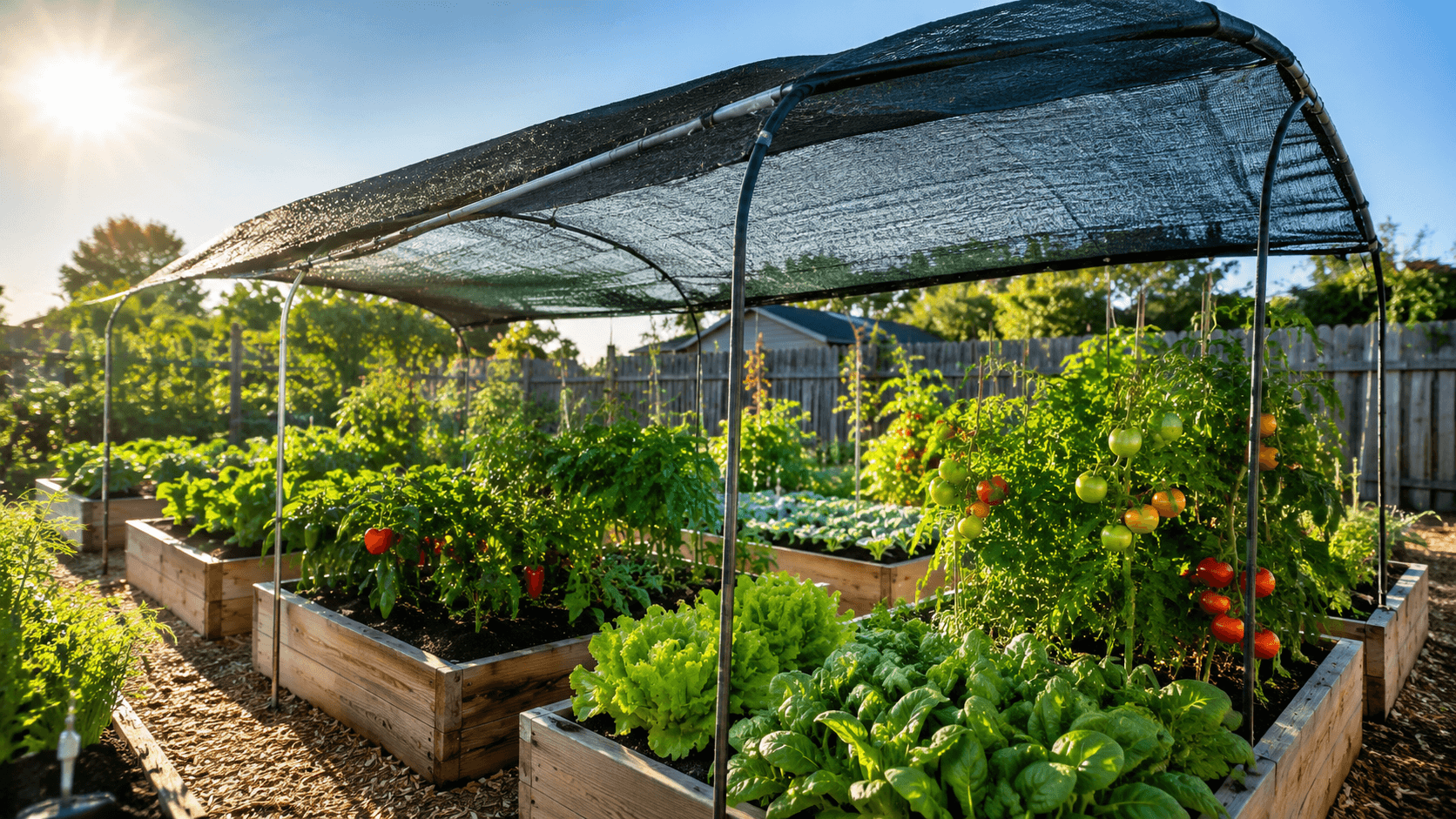
Before you choose a roll or panel, you need to know what shade cloth does. Shade cloth is a woven or knitted fabric used to reduce the amount of sunlight reaching plants. In vegetable gardens, growers often use it during high heat, transplanting, seedling growth, and peak fruiting periods.
Shade cloth is usually described by shade percentage. A 30% shade cloth blocks less light than a 60% shade cloth. For many vegetable gardens, 30%-50% is a practical starting range, but crop type, climate, season, and daily sun exposure should guide the final choice.
Garden shade cloth and agricultural shade cloth serve similar purposes, but buyers often choose different sizes and specifications. A home gardener may need a small panel for one raised bed, while a nursery or small farm may need larger rolls for rows, hoop structures, or greenhouse areas.
How does shade cloth help vegetable plants?
Shade cloth helps vegetable plants by filtering intense sunlight, lowering heat stress, and reducing direct sun exposure on leaves and fruit. It works best when installed above plants with enough space for airflow, so the garden receives protection without trapping heat or blocking too much useful light.
This matters most during hot afternoons. If your garden receives full sun for most of the day, shade cloth can give plants relief during the harshest hours while still allowing enough light for growth.
The goal is balance. Too little shade may not reduce stress. Too much shade can slow growth, reduce flowering, or affect fruit production.
When Should You Use Shade Cloth in a Vegetable Garden?
Once you understand the function, timing becomes the next decision. Shade cloth works best as a seasonal tool, not as a permanent cover for every vegetable in every climate.
Use shade cloth when plants show heat stress, when temperatures remain high, or when direct sun creates visible damage. A useful reference from the original garden guidance is that many plants begin to struggle when temperatures consistently exceed about 85-90°F.
The table below summarizes common vegetable garden situations and when shade cloth becomes useful:
| Garden Situation | When to Use Shade Cloth | Buyer Note |
|---|---|---|
| Hot summer days | During strong midday or afternoon sun | Useful when temperatures stay around 85-90°F or higher |
| Seedlings and young plants | After transplanting or during unusual heat | Helps reduce drying and transplant shock |
| Leafy greens | When lettuce, spinach, or similar crops bolt quickly | Moderate shade can help extend growing time |
| Fruiting crops | During peak heat and fruiting season | Helps reduce sunscald risk on tomatoes and peppers |
| Dry heat or drought | During water restriction or prolonged dry weather | Works best with mulch and proper watering |
Shade cloth is especially useful for seedlings and young plants because their roots are not yet strong enough to handle extreme heat. It can also help cool-season crops stay productive longer when spring or summer temperatures rise.
For fruiting vegetables such as tomatoes, peppers, and cucumbers, shade cloth can reduce direct sun exposure that may lead to fruit sunscald. It should still allow enough light for flowering and fruit development.
Getting the timing right helps you protect plants without creating an overly shaded garden.
Choosing the Right Shade Cloth Percentage for Vegetables
After timing, shade percentage is the biggest buying decision. The wrong percentage can create new problems. A cloth that is too light may not reduce stress, while a cloth that is too dense can block too much light.
For many vegetable gardens, 30%-50% shade cloth is a practical starting range. The original content also points to 50%-60% shade cloth for more delicate plants such as lettuce and spinach, while 80%-90% is usually more suitable for very sensitive plants or non-crop shade areas.
The table below helps match common vegetable garden needs with a suitable shade range:
| Vegetable / Situation | Suggested Shade Percentage | Buyer Note |
|---|---|---|
| Tomatoes and peppers | 30%-40% | Helps reduce harsh sun while keeping strong light |
| Lettuce and spinach | 40%-60% | Useful in warm weather for cool-season crops |
| Seedlings and transplants | 30%-50% | Temporary shade can reduce stress after planting |
| Herbs and flowers near vegetables | 30%-50% | Adjust based on plant light needs |
| Very sensitive plants | 60%+ | Use carefully because too much shade can slow growth |
What shade cloth is best for a vegetable garden?
For many vegetable gardens, 30%-50% shade cloth is a practical starting range. It filters harsh sunlight while still allowing useful light for common vegetables. Leafy greens, seedlings, and sensitive plants may need more shade, while tomatoes and peppers usually perform better with lighter shade.
A higher percentage is not always better. Vegetables need sunlight for growth, flowering, and fruiting. If the cloth creates a dark growing area all day, plants may stretch, produce fewer flowers, or grow more slowly.
Color can also affect performance. Darker cloth may absorb more heat, while lighter or reflective options may reduce heat more effectively in hot areas. For most garden buyers, shade percentage, size, edge finish, and installation method matter more than color alone.
How to Install Shade Cloth Over a Vegetable Garden
After choosing the shade level, installation determines whether the cloth actually helps. The best setup keeps shade cloth above the plants, allows air movement, and stays secure during wind.
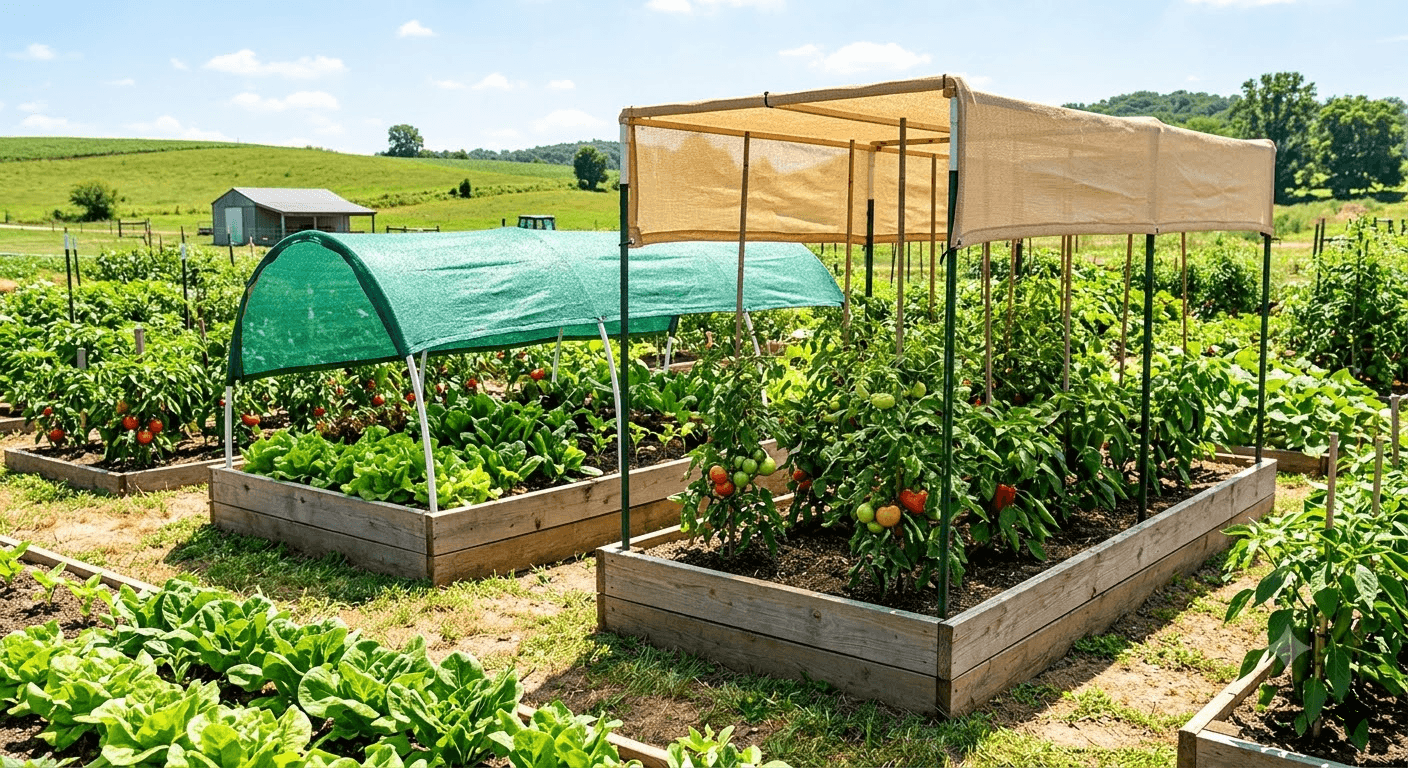
You can install shade cloth over hoops, poles, stakes, frames, or greenhouse supports. Raised beds often work well with hoops because the structure is simple, removable, and easy to adjust by season.
A basic installation process includes four checks: measure the area, choose a support structure, secure the cloth tightly, and keep enough height above the plants. If the cloth sags onto leaves, it can reduce airflow and make watering, pruning, or harvesting harder.
How high above plants should shade cloth be?
Shade cloth should sit high enough above vegetable plants to allow growth, airflow, watering, pruning, and harvesting. For raised beds, hoops or frames usually work better than laying cloth directly on leaves because they create space between the fabric and the plant canopy.
For a small raised bed, a simple hoop setup can work well. For larger rows, you may need taller stakes, poles, or a framed structure. The support should handle wind and avoid sharp edges that could tear the fabric.
Secure the cloth with clips, ties, bungee cords, or fasteners designed for garden fabric. Check the setup after storms or strong wind, especially if the cloth covers a large area.
A good installation protects plants while keeping the garden easy to manage.
DIY Shade for Raised Garden Beds
Raised beds are one of the easiest places to use shade cloth because the shape is defined and the coverage area is simple to measure. A common setup uses hoops across the bed with shade cloth clipped over the top.
For example, a serious home gardener or small farm may cover raised beds during a week of 90°F afternoons, then remove or roll back the fabric once temperatures drop. This approach protects plants during stress periods without reducing light for the rest of the season.
The table below compares three practical DIY setups for raised garden beds:
| DIY Setup | Best For | What to Check |
|---|---|---|
| Hoop setup | Small raised beds and seasonal vegetables | Hoop height, cloth width, clip strength |
| Stake and frame setup | Taller vegetables or windy areas | Frame stability and secure fasteners |
| Temporary panel setup | Short heat waves or young plants | Easy removal and enough airflow |
Can you use DIY shade for raised garden beds?
Yes, you can use DIY shade for raised garden beds with hoops, stakes, frames, or temporary panels. The setup should hold shade cloth above the plants, stay secure in wind, and allow enough airflow. Measure the bed first so the cloth covers the area without sagging.
A DIY setup works well when you need flexibility. You may shade lettuce during a heat wave, then remove the cloth when temperatures drop. You may also shade seedlings for a few days after transplanting, then gradually expose them to more sun.
If you buy shade cloth for repeated use, check the edge finish and fastening options. Reinforced edges and grommets can make installation easier, especially for larger beds or frequent seasonal use.
Can You Put Shade Cloth Directly on Plants?
This question matters because laying shade cloth directly on plants seems easy. For regular vegetable garden use, it is usually not the best setup.
Direct contact can press leaves, make watering and harvesting harder, and increase the chance of rubbing damage during wind. It can also reduce the air space that helps plants stay cooler under the fabric.
Can you put shade cloth directly on plants?
You can place shade cloth directly on plants for very short temporary protection, but it is usually better to install it above plants on hoops, stakes, or frames. Raising the cloth improves airflow, reduces leaf contact, and gives vegetables room to grow.
If you must use direct contact during a short heat event, remove or lift the cloth as soon as possible. Watch for flattened leaves, trapped moisture, and overheating.
For regular summer use, build even a simple support system. A few hoops or stakes can make a major difference in plant access and garden care.
Common Mistakes to Avoid
Even good shade cloth can fail if you use it the wrong way. One common mistake is choosing too high a shade percentage. A vegetable garden needs protection from harsh sun, but most crops still need enough light for strong growth.
Another mistake is leaving shade cloth on during mild weather. If the weather cools down or the sun becomes less intense, remove or adjust the cloth so plants receive more light.
Wind is another factor. Loose shade cloth can flap, tear, or damage nearby plants. Secure the fabric and check fasteners regularly.
The best shade cloth setup protects plants during stress periods and stays flexible enough to adjust with the season.
Buying Shade Cloth for Vegetable Gardens
Once you know how you will use it, buying becomes easier. Start with shade percentage, size, material, edge finish, and installation accessories.
Woven shade cloth is often firm and stable, while knitted shade cloth can be more flexible and may resist unraveling better if cut or torn. Buyers who plan to reuse shade cloth should also check for reinforced edges, grommets, and compatible clips because these details affect wind resistance, installation speed, and long-term handling.
The table below highlights practical buying factors before you order:
| Buying Factor | What to Look For | Why It Matters |
|---|---|---|
| Shade percentage | 30%-50% for many vegetables | Helps balance protection and light |
| Size | Enough coverage for beds, rows, or frames | Prevents gaps and undersized installs |
| Material | Woven or knitted shade cloth | Affects handling, flexibility, and outdoor use |
| Edge finish | Reinforced edges or grommets when needed | Helps with fastening and reuse |
| Accessories | Clips, ties, hoops, stakes, or frames | Makes installation more secure |
Home gardeners often need shade cloth for raised beds, containers, or small vegetable plots. Small farms and nurseries may need larger rolls, stronger edges, consistent supply, and products that work with frames or greenhouse structures.
Wellco Wholesale supports both retail gardeners and trade buyers with garden and agricultural supplies, including shade cloth and related plant protection products. The 1-piece MOQ helps buyers test a size or shade percentage before scaling, while free shipping over $300 can support mixed garden supply orders that include shade cloth, garden netting, row cover, plant cover, and weed barrier.
For trade buyers, mixed sourcing can make seasonal restocking easier. For retail buyers, pairing shade cloth with clips or support hoops can reduce installation guesswork.
Conclusion
Shade cloth can help protect vegetable gardens from harsh sun, heat stress, and fruit sunscald when you choose and install it correctly.
Use shade cloth during hot weather, seedling establishment, and peak sun periods.
Choose 30%-50% as a practical starting range, then adjust by crop, climate, and season.
Install it above plants with hoops, stakes, or frames to keep the garden manageable.
Remove or adjust the cloth when plants need more light.
Check material, edge finish, size, and accessories before buying.
If you want a practical setup for your garden, raised bed, small farm, or nursery, start with the vegetables you grow and match the shade percentage to their heat and light needs.
[Shop Wellco Wholesale's full range with 1-piece MOQ and free shipping over $300 →]