Agricultural Mulch Film: Types, Uses and Buying Tips
A small roll of agricultural mulch film can affect an entire planting cycle. Choose the wrong film, and you may face weak weed control, overheated soil, poor bed coverage, extra labor, or inventory that does not match what your customers actually need.
This guide helps you understand how agricultural mulch film works, which types fit different growing conditions, and what buyers should check before ordering for farms, garden centers, landscaping projects, resale, or seasonal retail programs.
What Is Agricultural Mulch Film?
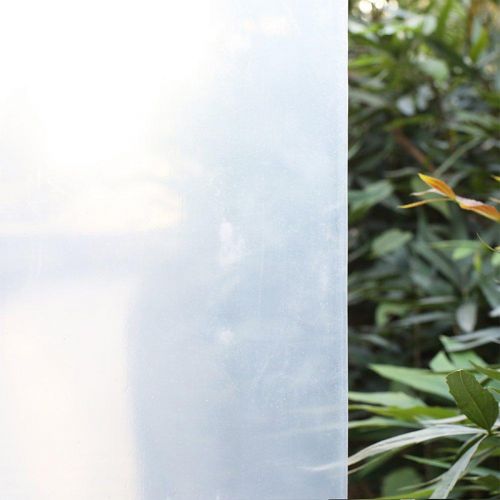
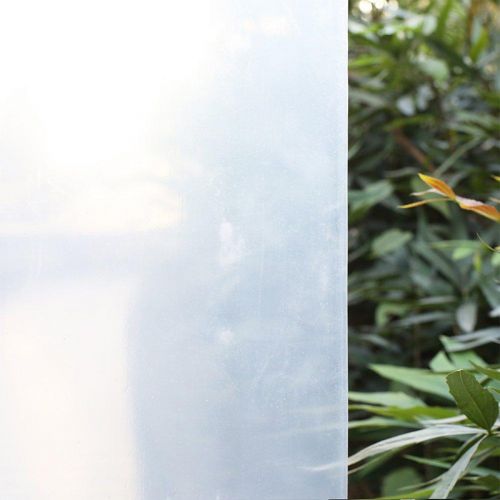
Agricultural mulch film is a thin plastic film placed over planting beds or near the soil surface. Standard product notes for this category commonly list polyethylene as the base material, with general thickness around 0.008 to 0.015 mm for regular agricultural use.
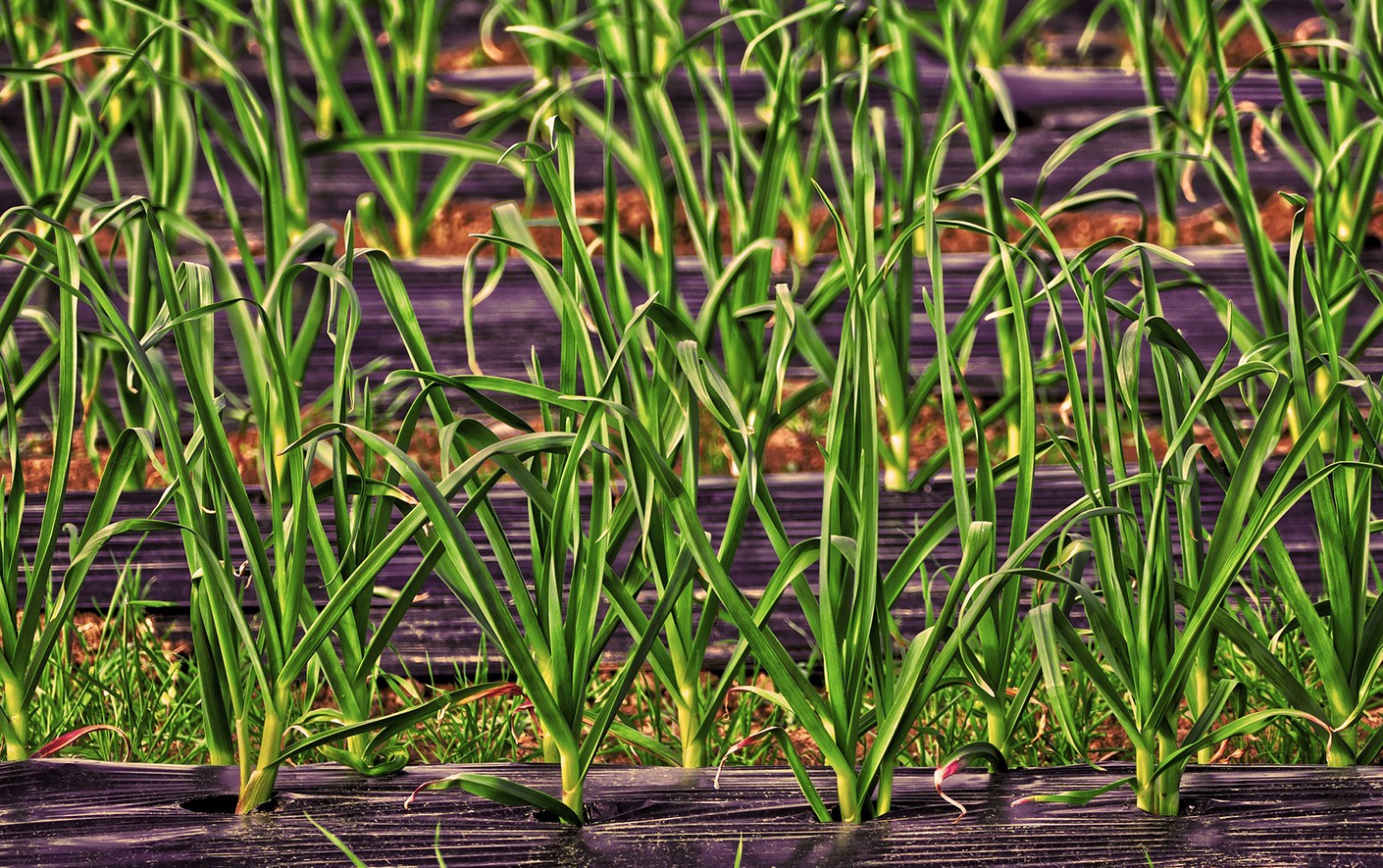
Its job is to help manage the soil environment. Depending on the film color and application, it can help raise soil temperature, retain moisture, reduce weed pressure, protect the bed surface, and keep crops cleaner during growth.
Where is agricultural mulch film commonly used?
Agricultural mulch film is commonly used in vegetable fields, fruit production, seedling beds, greenhouses, orchards, and small farm plots. It works best when buyers match the film color, width, thickness, and installation method to the crop, season, and growing conditions.
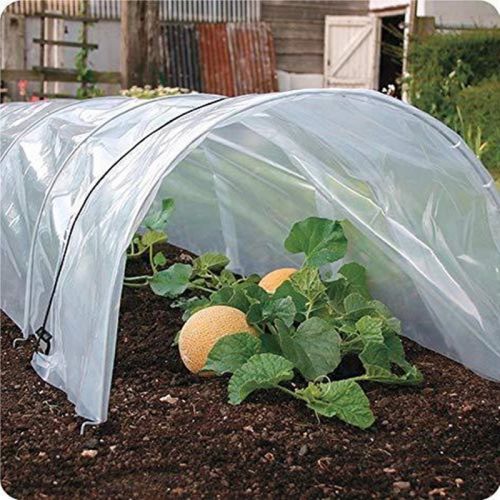
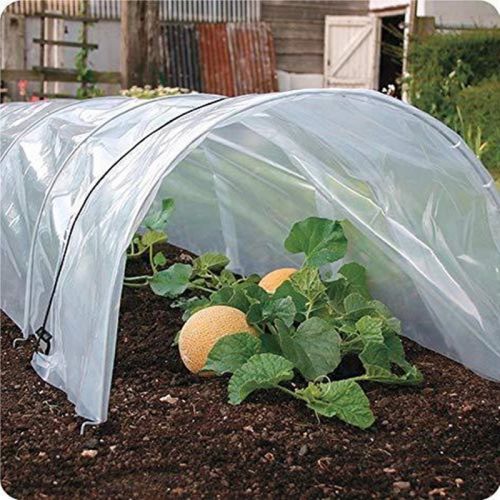
For example, a vegetable grower may use clear film in cooler months to warm planting beds. A strawberry grower may choose black film to reduce soil contact and suppress weeds. A garden supplier may stock mulch film alongside row cover, grow tunnel film, bamboo stakes, and garden netting.
For buyers, the first step is simple: define the crop and season before comparing price.
Key Benefits of Agricultural Mulch Film
Once the basic use is clear, the next question is whether the film solves the right field problem. A cheaper roll can still become costly if it tears early, creates poor coverage, or fails to match the crop cycle.
The table below connects the main benefits with real buying considerations:
| Benefit | How It Helps | Buyer Note |
|---|---|---|
| Soil warming | Helps raise bed temperature for early growth | Clear film is often selected for stronger warming |
| Moisture retention | Reduces direct evaporation from the soil surface | Useful for dry periods or controlled irrigation |
| Weed suppression | Blocks light and limits weed growth | Black film is often preferred for this purpose |
| Soil protection | Covers prepared beds from wind and water impact | Helpful where exposed soil loses structure quickly |
| Crop cleanliness | Reduces direct soil contact with fruit or lower leaves | Common in strawberry and vegetable growing |
Mulch film can also help keep soil looser by protecting the bed surface from heavy rain impact. Results still depend on soil preparation, climate, crop type, and installation quality.
How does mulch film support better crop quality?
Mulch film can support crop quality by improving soil moisture stability, reducing weed competition, protecting the bed surface, and keeping fruit or lower leaves away from direct soil contact. These benefits vary by crop, climate, film type, and installation, so buyers should match the product to the growing situation.
For trade buyers, this makes the product easy to explain. A farm supply store can sell it as a seasonal crop support item. A distributor can build a planting package with film, row cover, plant supports, garden netting, and irrigation accessories.
The biggest performance difference usually comes from film type, especially color.
Common Types of Agricultural Mulch Films
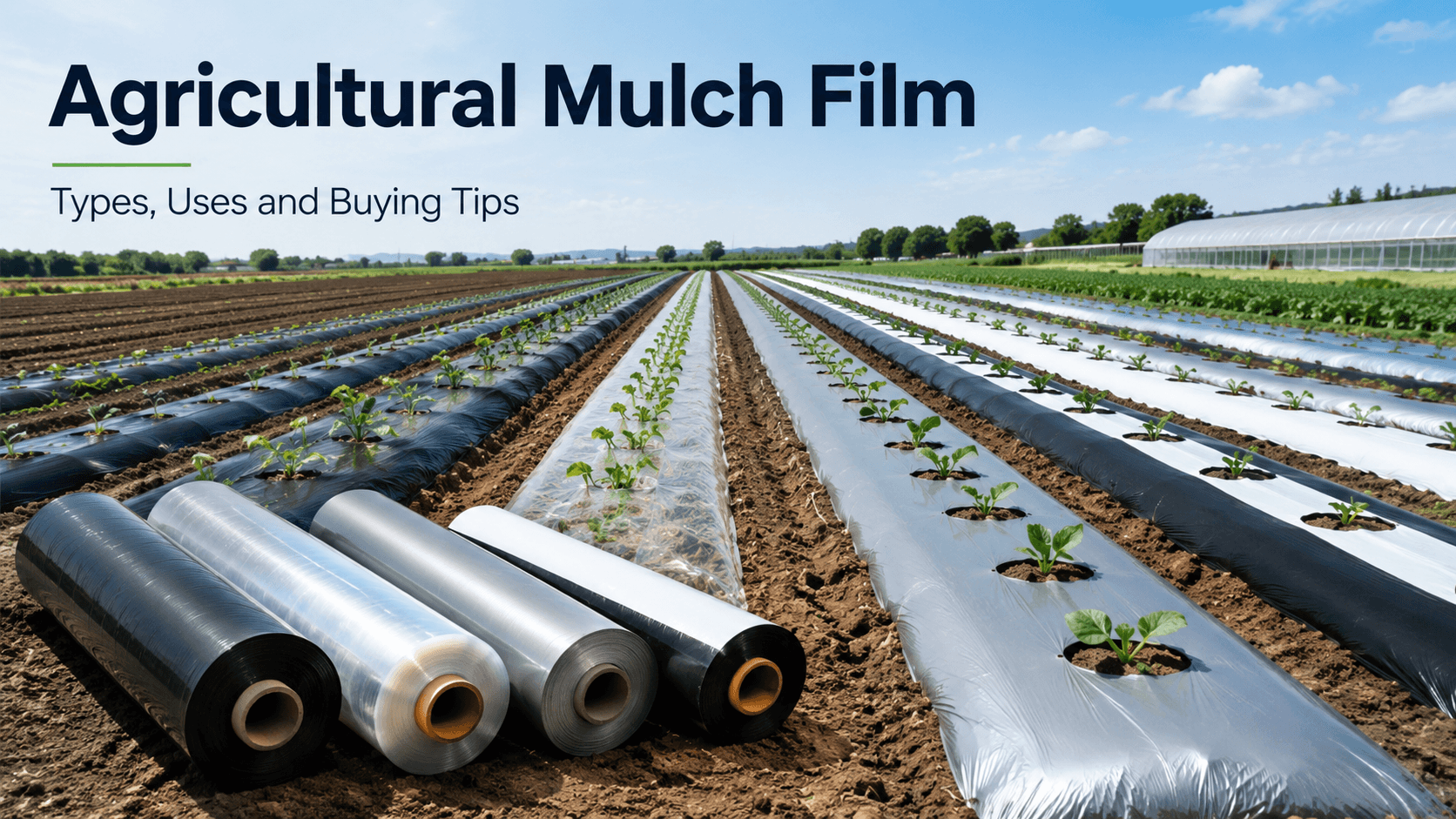
Different mulch film colors absorb, transmit, and reflect light in different ways. That affects soil warming, cooling, weed control, and sometimes pest management support.
The table below compares common options:
| Film Type | Main Function | Common Use Case |
|---|---|---|
| Clear mulch film | Strong soil warming | Spring and autumn planting |
| Black mulch film | Weed suppression and moisture retention | Vegetables, orchards, strawberries |
| Silver gray film | Cooling, moisture retention, reflective support | Summer and autumn vegetables |
| Black and white film | Weed suppression plus light reflection | Greenhouse vegetables and cool-season crops |
| Blue film | Seedling support under suitable light conditions | Rice seedlings, vegetables, peanuts, strawberries |
| Green film | Weed growth reduction through light filtering | Beans, eggplant, peppers, melons |
| Red film | Red light transmission for selected crops | Rice, beet, leek, cucumber |
| Herbicide-added weeding film | Weed control with crop-specific herbicide use | Weed-heavy plots after compatibility checks |
Clear mulch film is usually chosen when soil warming is the main goal. It can support earlier growth in cooler conditions, but it is weaker for weed suppression because more light passes through.
Black mulch film has low light transmittance, so it helps control weeds and retain soil moisture. It is often used for strawberries and vegetables where cleaner fruit and reduced weed pressure matter.
Silver gray film has about 60% light transmittance based on the provided product notes. It can reflect ultraviolet rays and may help with cooling and insect-repelling support, depending on crop type, climate, and installation.
Black and white film is usually placed with the black side down and the white side up. The provided notes list 0.02 mm as a reference thickness for this type, with a higher cost than some standard films.
Which mulch film color should you choose?
Choose clear film when soil warming matters most, black film when weed suppression and moisture retention are priorities, silver gray film when reflective cooling support is useful, and black-white film when buyers need weed control plus light reflection. Always confirm crop type, season, climate, and installation method before ordering.
Herbicide-added weeding film needs extra caution. Buyers should only use it when crop compatibility is confirmed, because selective herbicide use can damage the wrong crop.
Color narrows the choice, but specs decide whether the product fits the actual order.
How to Choose the Right Mulching Sheet for Agriculture
A good buying process starts with the use case. A small farm preparing spring vegetable beds may compare clear film for warming with black film for weed control. If early soil temperature is the priority, clear film may fit better. If the field has heavy weed pressure, black film may save more labor.
Use the table below as a practical buying checklist:
| Factor | What to Check | Why It Matters |
|---|---|---|
| Crop type | Vegetables, strawberries, melons, orchards, seedlings | Different crops respond better to different film colors |
| Season | Spring, summer, autumn, greenhouse winter use | Film color affects warming or cooling |
| Thickness | Standard film may be around 0.008 to 0.015 mm | Affects handling, cost, and expected field use |
| Width | Match planting bed size and equipment | Wrong width causes waste or poor coverage |
| Weed pressure | Low, medium, or heavy weed growth | Helps decide between clear, black, or specialty film |
| Supply format | Rolls, cartons, mixed orders, repeat supply | Impacts storage, shipping, and resale planning |
For small retailers, black and clear mulch film may be the safest starting inventory. For farm supply distributors, broader options may be needed for different crop programs and growing seasons.
What thickness should buyers check before ordering?
Buyers should check thickness, width, roll length, material, color, crop cycle, installation method, and expected field duration before ordering. Thickness matters, but it should be reviewed together with handling conditions, climate, bed size, and whether the film will be installed manually or with equipment.
A thicker film may feel stronger, but thickness alone does not guarantee the best fit. A retail buyer may care more about easy handling and small-pack convenience. A farm buyer may care more about roll consistency, repeat availability, and cost per covered bed.
Good buying decisions reduce waste before the product ever reaches the field.
Agricultural Mulch Film for Wholesale and Retail Buyers
After product fit, sourcing becomes the next practical decision. Trade buyers usually care about unit cost, MOQ flexibility, shipping speed, consistent supply, and whether the supplier can support repeat seasonal orders. Retail shoppers and small farms often care about value, simple ordering, and fast delivery without large-volume commitment.
Wellco Wholesale’s model can support both needs. Its factory-direct approach, 1-piece MOQ, 90,000 sq ft California warehouse, free shipping on orders over $300, blind drop shipping support, and OEM/ODM options can help buyers test products, build mixed seasonal orders, fulfill reseller demand, or plan private-label programs.
A reseller, for example, might test black and clear mulch film in small quantities before expanding spring inventory. If demand is strong, the same buyer can add row cover, grow tunnel film, weed barrier, garden netting, plant covers, bamboo stakes, or fiberglass stakes to increase order value.
Can small buyers order agricultural mulch film at wholesale pricing?
Yes, small buyers can source agricultural mulch film through wholesale platforms that support low MOQ or 1-piece MOQ purchasing. This helps small farms, garden centers, online resellers, and DIY growers access wholesale-style pricing without committing to large inventory at the start.
For Amazon, eBay, Walmart, or local retail sellers, low MOQ reduces testing risk. For contractors and farm buyers, repeat supply matters more. Ask whether the supplier can support seasonal peaks, mixed shipments, clear specifications, and reorder planning.
Sourcing works best when mulch film connects to the full planting system.
Installation and Use Tips
Even the right film can perform poorly if the bed is not prepared well. Before laying film, remove large clods, sharp debris, and existing weeds. A clean, firm bed helps the film sit tightly and reduces movement from wind or irrigation.
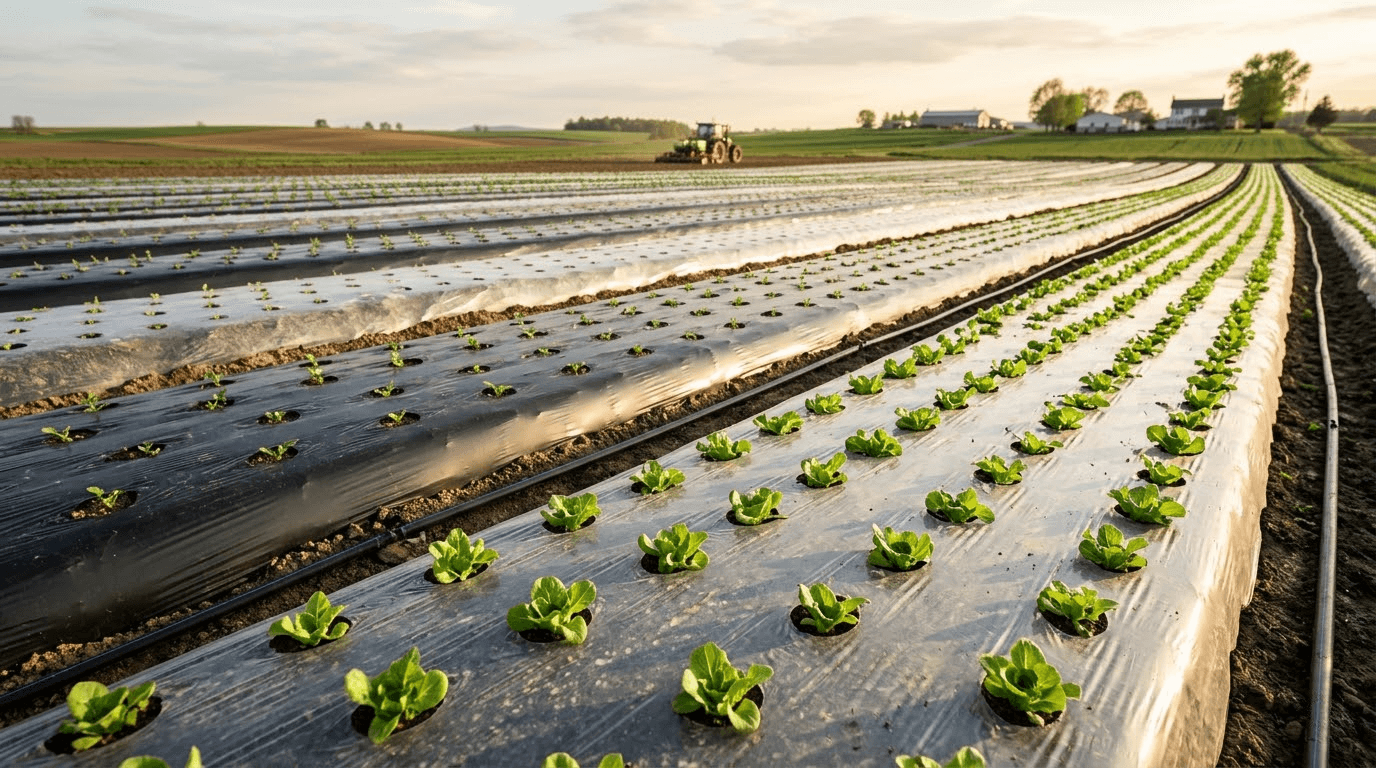
Keep the film stretched and anchored along the edges. Cut planting holes carefully so the crop has room to grow without exposing too much bare soil. For many seasonal vegetable programs, growers pair mulch film with drip irrigation to manage moisture below the film.
Should mulch film be used with other garden supplies?
Mulch film works well with row cover, grow tunnel film, weed barrier, garden netting, bamboo stakes, fiberglass stakes, and plant covers. These products solve different problems in the same planting cycle, including frost protection, insect control, plant support, soil coverage, and seasonal temperature management.
For retailers and distributors, this creates useful bundle opportunities. A spring planting set might include mulch film, seedling trays, row cover, and garden netting. A small farm restocking order might combine film, plant ties, bamboo stakes, and crop protection fabric.
Better installation comes from choosing the right film and pairing it with the right supporting products.
Related Garden Supplies to Consider
Mulch film protects the soil surface, but most growers also need products that protect crops above the soil, support plants, or extend the growing season. The table below shows how related supplies fit into the same planting plan:
| Related Product | Best Fit | Why Buyers Add It |
|---|---|---|
| Grow tunnel film | Early-season protected growing | Helps create warmer growing conditions |
| Row cover | Frost and light pest protection | Useful for seedlings and seasonal crops |
| Weed barrier | Longer-term weed control | Strong fit for landscaping and nursery use |
| Garden netting | Insect or bird protection | Adds above-ground crop protection |
| Bamboo or fiberglass stakes | Plant support | Supports tomatoes, vines, trees, and nursery plants |
| Plant cover | Cold-weather protection | Useful for home gardens and small farms |
This product mix matters for wholesale buyers. Instead of treating mulch film as a single seasonal item, buyers can build a more useful crop protection category around it.
Wellco Wholesale’s low MOQ structure can help small buyers and resellers test related categories without overstocking too early.
Conclusion
Agricultural mulch film can help buyers manage soil temperature, moisture, weed pressure, and crop cleanliness when the product fits the crop and season.
Four buying takeaways matter most:
Choose clear film when soil warming is the main goal.
Choose black film when weed suppression and moisture retention matter more.
Review thickness, width, roll length, color, crop cycle, and installation method together.
Build better seasonal orders by pairing mulch film with row cover, grow tunnel film, garden netting, plant covers, and plant supports.
If you are sourcing for a farm, garden center, online store, or seasonal retail program, start with the film type your customers can use most often, then build a reliable reorder plan around it.
[Browse Wellco Wholesale's full range and request a bulk quote →]
Related Products