


Your Trusted Wholesale Partner
Discover a wide range of industrial and garden supplies at Wellco Wholesale. Buy directly online or request custom orders — reliable quality, competitive pricing, and flexible service for every need.
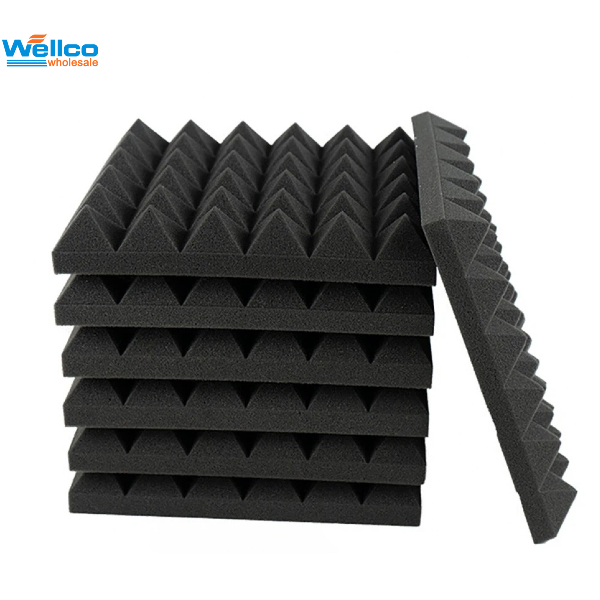 Acoustical Panels
 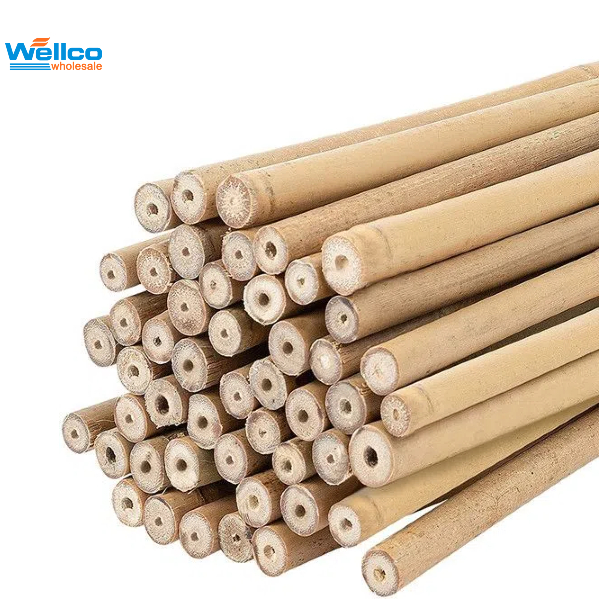 Bamboo Stake
 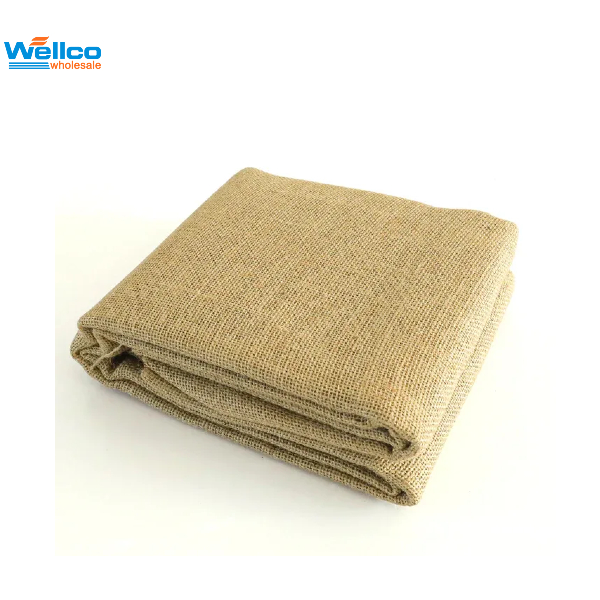 Burlap & Jute
 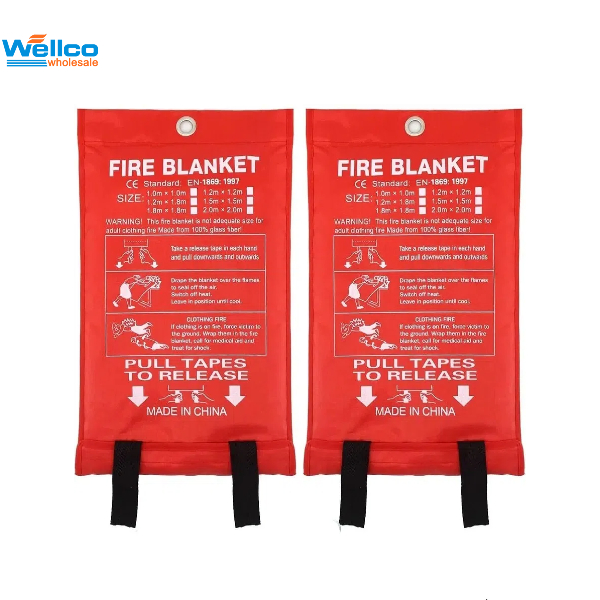 Fiberglass Fire Blankets
 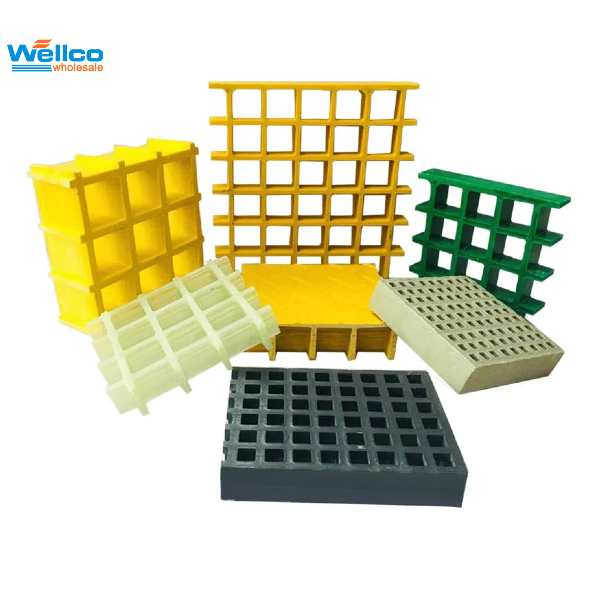 Fiberglass Grating
 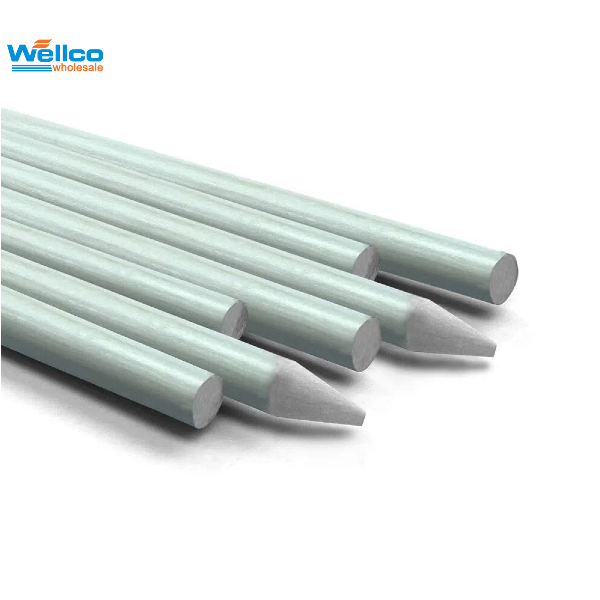 Fiberglass Stake
 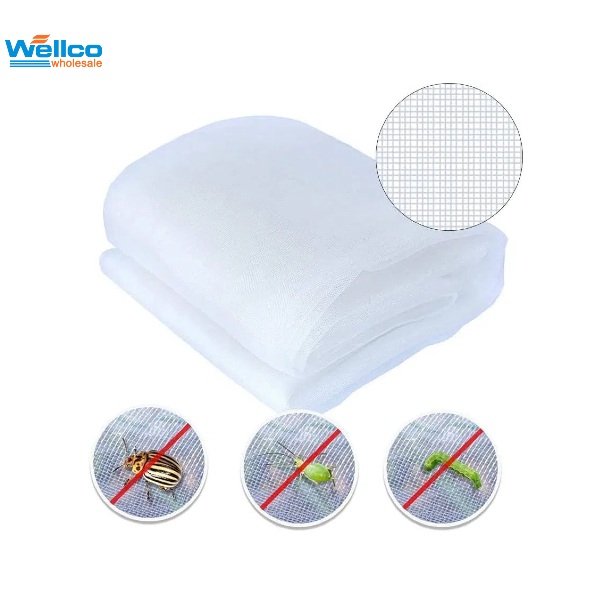 Garden Netting
 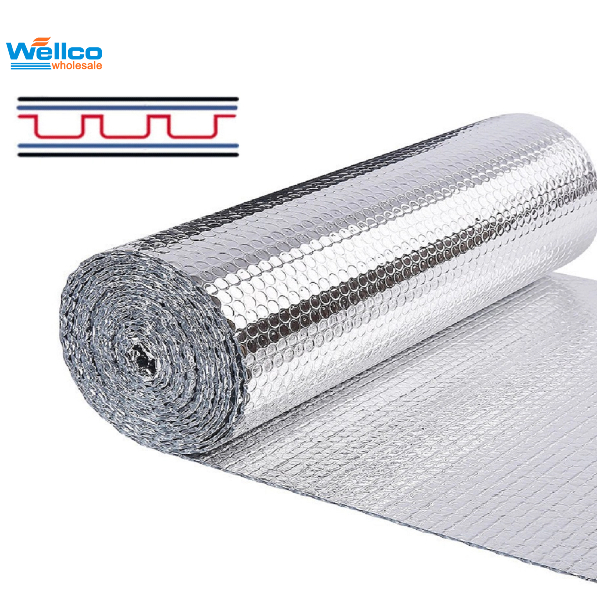 Insulation
 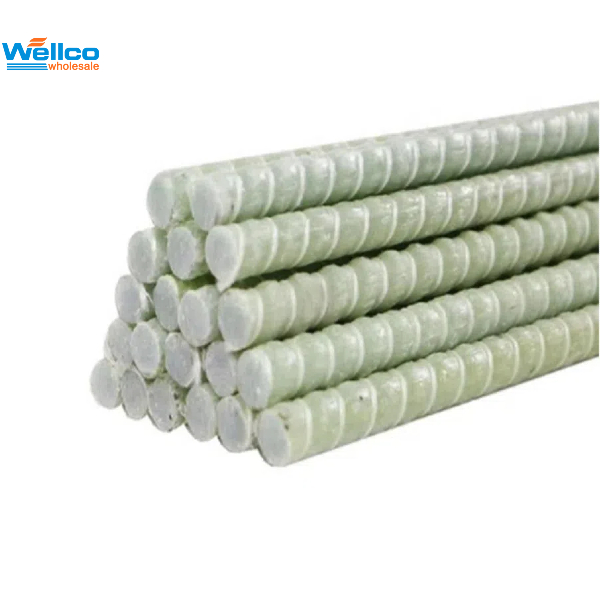 Rebar
Rebar 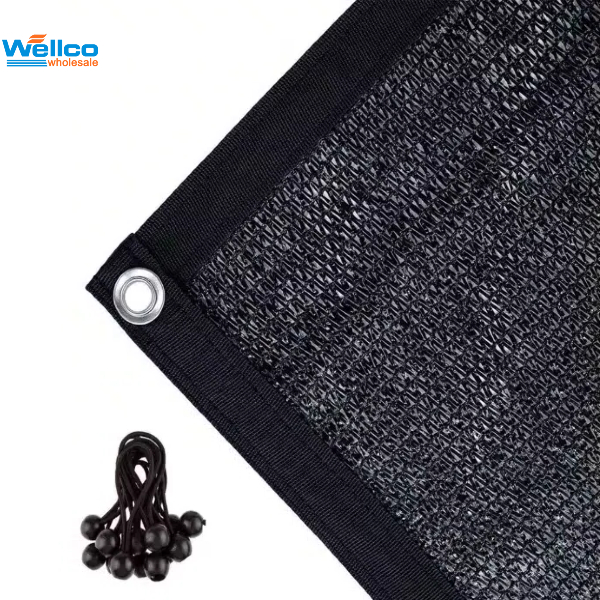 Shade Cloth
 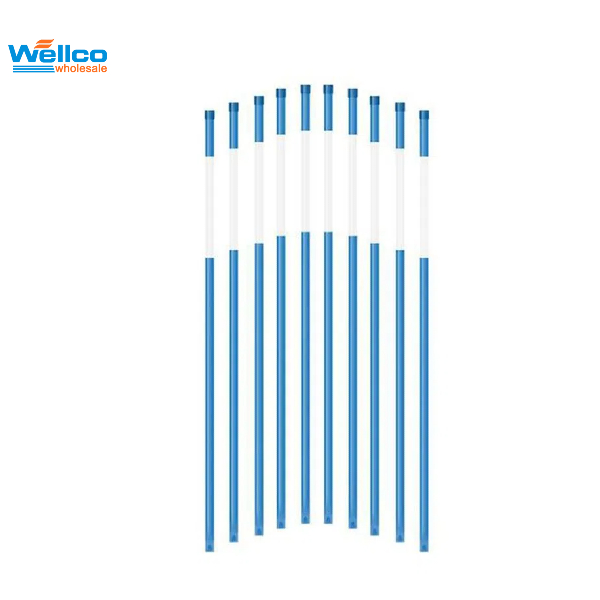 Snow Markers
 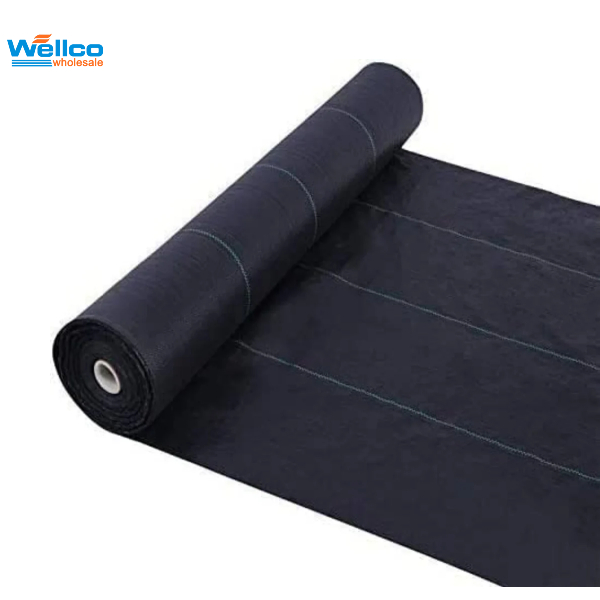 Weed Barrier Fabric

From the Blog
There's a particular kind of frustration that comes with finishing a home studio or conference room treatment—only to walk in the next morning and find a panel face-down on the floor, a chunk of drywall pulled clean out with it.
It happens more often than most installation guides admit. Drywall is a surprisingly unforgiving surface: it looks solid, but its load tolerance is narrow, its surface is easy to damage, and the wrong mounting choice can mean hours of repair work before you even start over. Getting acoustic panel installation right the first time isn't just about convenience—it's about protecting your walls, your panels, and in commercial settings, your liability.
This guide covers four field-tested mounting methods, a methodical step-by-step process, and the mistakes most commonly seen on real installations. Whether you're treating a home studio, a corporate meeting room, or a large commercial space, the fundamentals are consistent. For contractors and trade buy
Energy loss is one of the most expensive problems facing farmers, contractors, and commercial operators — and most of it happens silently, through poorly insulated roofs, walls, and structures. A poultry barn that overheats in July. A greenhouse that loses heat every night in April. A warehouse where temperature-sensitive stock is constantly at risk. In each case, the fix is often simpler and more affordable than operators expect.
Reflective foil bubble insulation has become one of the most versatile thermal management solutions available to trade buyers. Lightweight, fast to install, and effective across a wide range of climates and building types, it's increasingly the first choice for professionals who need reliable performance without the cost and complexity of traditional insulation systems.
At Wellco Wholesale, a factory-direct s
Bamboo canes for garden projects remain popular because they solve practical problems without making the job complicated. They are light to carry, easy to position, and versatile enough for everything from supporting cordon tomatoes to building bean teepees and simple flower frames. For readers trying to choose the right support, the real value is not just cost. It is how quickly bamboo canes help plants grow upright, improve access for pruning and harvesting, and keep planting areas looking more organized.
They also appeal to a wide buying audience. A home gardener may need a small bundle for seasonal use, while a landscaper, nursery, farm, or garden retailer may need consistent sizes in bulk. That is where supplier reliability matters. Wellco Wholesale is relevant here because it positions itself as a factory-direct wholesale supplier across garden, farm,
Quick answer: standard #4 steel rebar weighs about 0.668 lb per foot. Use the chart and formula below to estimate total rebar weight for slabs, footings, and beams.
Calculating the amount of steel rebar for a concrete project is essential if you want a strong slab or footing without overbuying material. This guide walks you through simple formulas, a quick weight chart and a full example so you can estimate both the length and the weight of rebar with confidence.
If you are still choosing materials, you can compare our wholesale steel rebar and durable fiberglass rebar options to match your budget and project needs.
Quick Answer: #4 Rebar Weight per Foot
Many people search for “#4 rebar weight per foot” because they need to estimate the total wei
Shade cloth for plants helps reduce heat stress, lower water loss, and protect vegetables, seedlings, and ornamentals from intense summer sun. The most important first step is choosing the right shade percentage: 30% to 50% works well for most vegetable gardens, while 60% to 70% is better for heat-sensitive plants, young transplants, and very hot climates.
Once you choose the right shade level, proper installation makes the system work better and last longer. This guide shows you how to measure shade cloth, choose support options, and install it securely over garden beds, hoops, frames, or existing structures so your plants stay cooler without losing too much light.