
-
In the world of construction, the debate of fiberglass rebar vs. steel is becoming increasingly common. While steel has been the traditional king of reinforcement, fiberglass (GFRP) is challenging the status quo with superior longevity and strength-to-weight ratios.
Are you wondering "is fiberglass stronger than steel?" or comparing the long-term costs? This 2025 guide breaks down the key technical differences to help you choose the right material for your project.
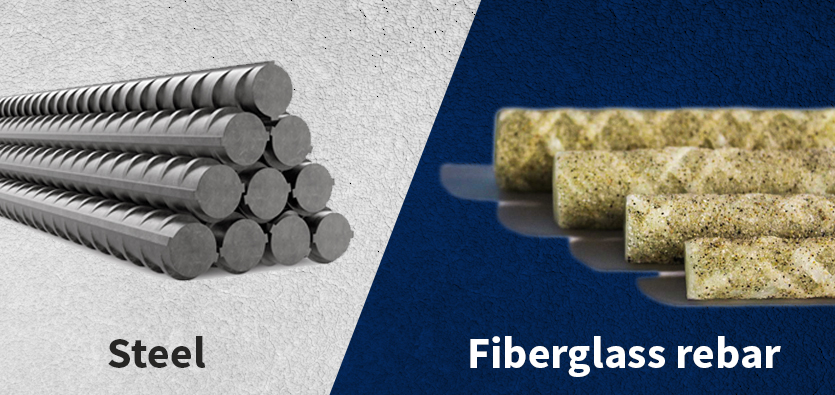
Quick Comparison: Fiberglass (GFRP) vs. Steel Rebar
Feature Fiberglass Rebar (GFRP) Steel Rebar Tensile Strength Higher Read morePosted: December 19, 2025 -
Rebar steel (reinforcing bar) is the backbone of concrete construction. But when engineers calculate load capacities, they don't guess—they look for specific numbers. One of the most common questions we get is: "What is the tensile strength of rebar?"
If you are looking for a quick answer or a rebar tensile strength chart, you are in the right place. Below, we break down the critical differences between Grade 40, Grade 60, and high-strength options.
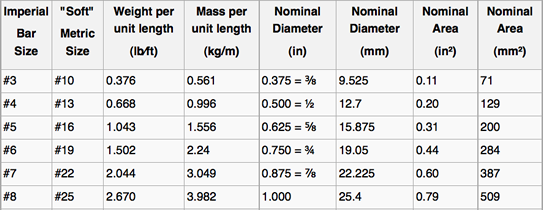
Quick Reference: Rebar Tensile Strength Chart
The "Grade" of rebar designates its minimum yield strength. Here is the standard ASTM data used in the US:
Rebar G Read morePosted: December 19, 2025 -
Searching where to buy acoustic panels is confusing because a lot of products are “decor panels” pretending to be acoustics. Real panels can reduce echo and make speech clearer—but only when the specs and placement match your room.
This guide breaks down the best places to buy in 2026, how to verify claims, and what’s worth paying for. If you purchase for projects or in bulk, wholesale sourcing can also simplify procurement; Wellco Wholesale positions itself as a factory-direct wholesaler across categories for trade buyers who want consolidated purchasing.
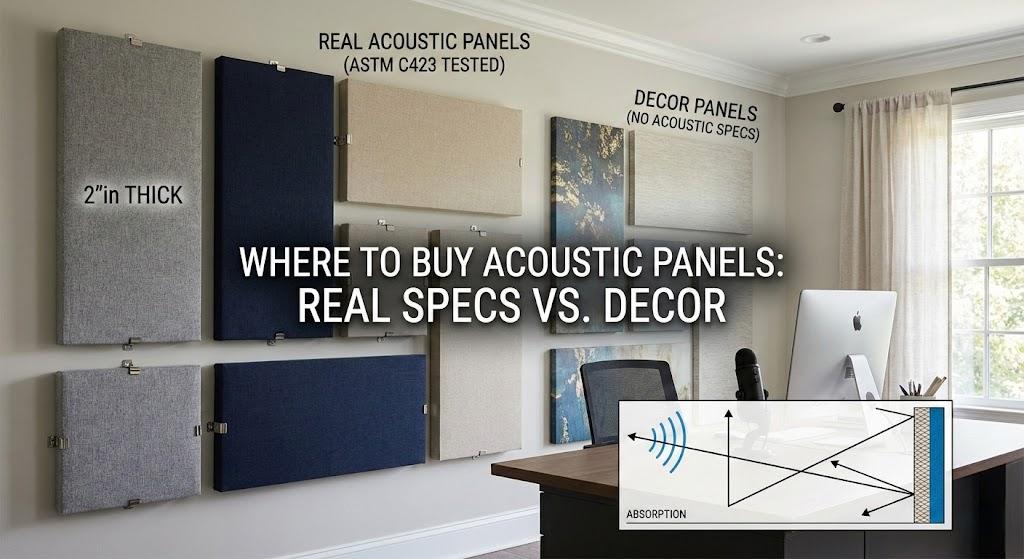
Where to Buy Acoustic Panels: Best Options in 2026
Online marketplaces (best for quick testing)
Great for sma
Read morePosted: December 12, 2025 -
In 2025, stainless steel rebar typically costs between $3.50 and $8.00 per linear foot, depending on bar size, grade, order quantity and market conditions. For common #4 (1/2 inch) stainless steel rebar, most contractors see prices in the range of $4.50–$6.50 per foot for typical 304 or 316 grades, with premium duplex grades on the higher end.
If you are budgeting for a project, the best approach is to use the ranges below for early estimates and then request an updated quotation based on your exact size, grade and quantity.
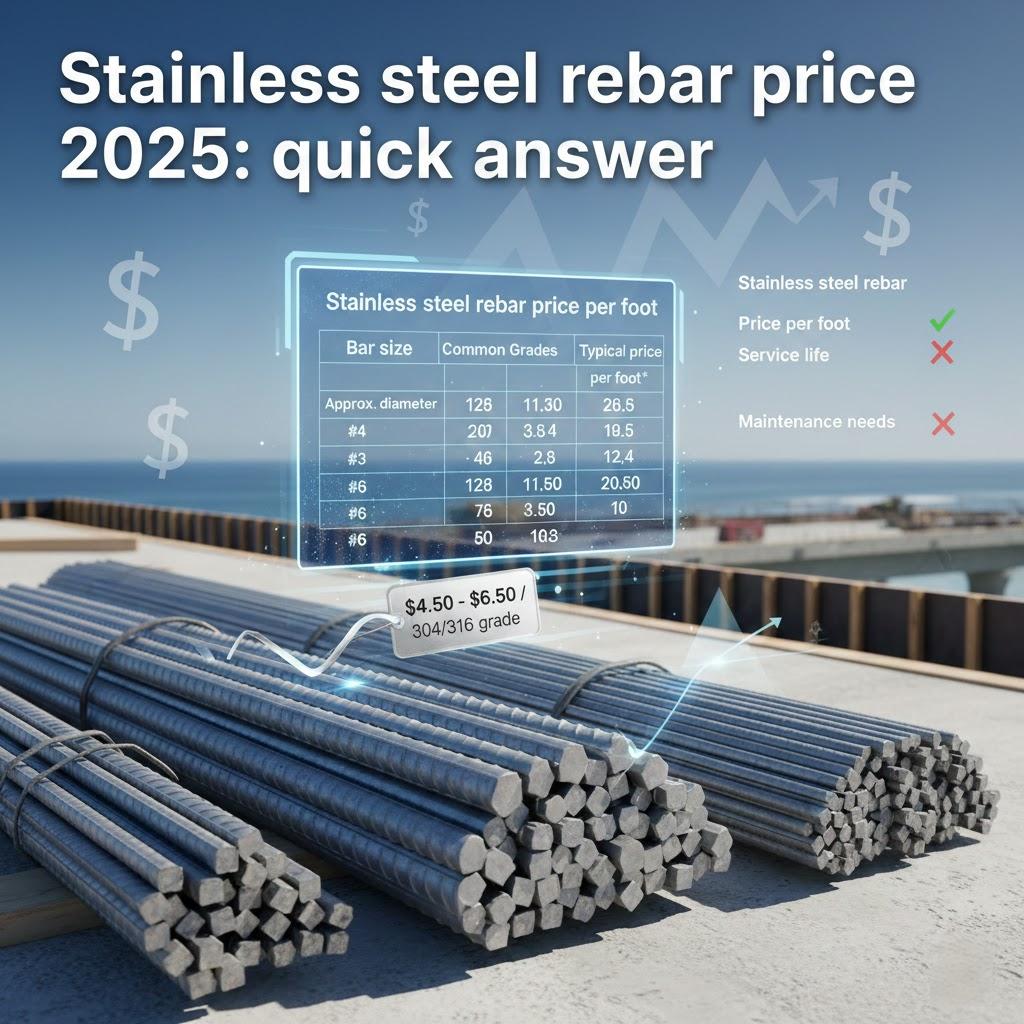
Stainless steel rebar price per foot (by size and grade)
The table below gives approximate stainless steel rebar price ranges per foot by bar size and typical grade. Actual prices can be h
Read morePosted: December 11, 2025 -
Calculating the amount of steel rebar for a concrete project is essential if you want a strong slab or footing without overbuying material. This guide walks you through simple formulas, a quick weight chart and a full example so you can estimate both the length and the weight of rebar with confidence.
If you are still choosing materials, you can compare our wholesale steel rebar and durable fiberglass rebar options to match your budget and project needs.
Quick Answer: #4 Rebar Weight per Foot
Many people search for “#4 rebar weight per foot” because they need to estimate the total weight for delivery or lifting. In the US bar size system, standard carbon steel rebar has the following approximate weights per foot:
Read morePosted: December 10, 2025 -
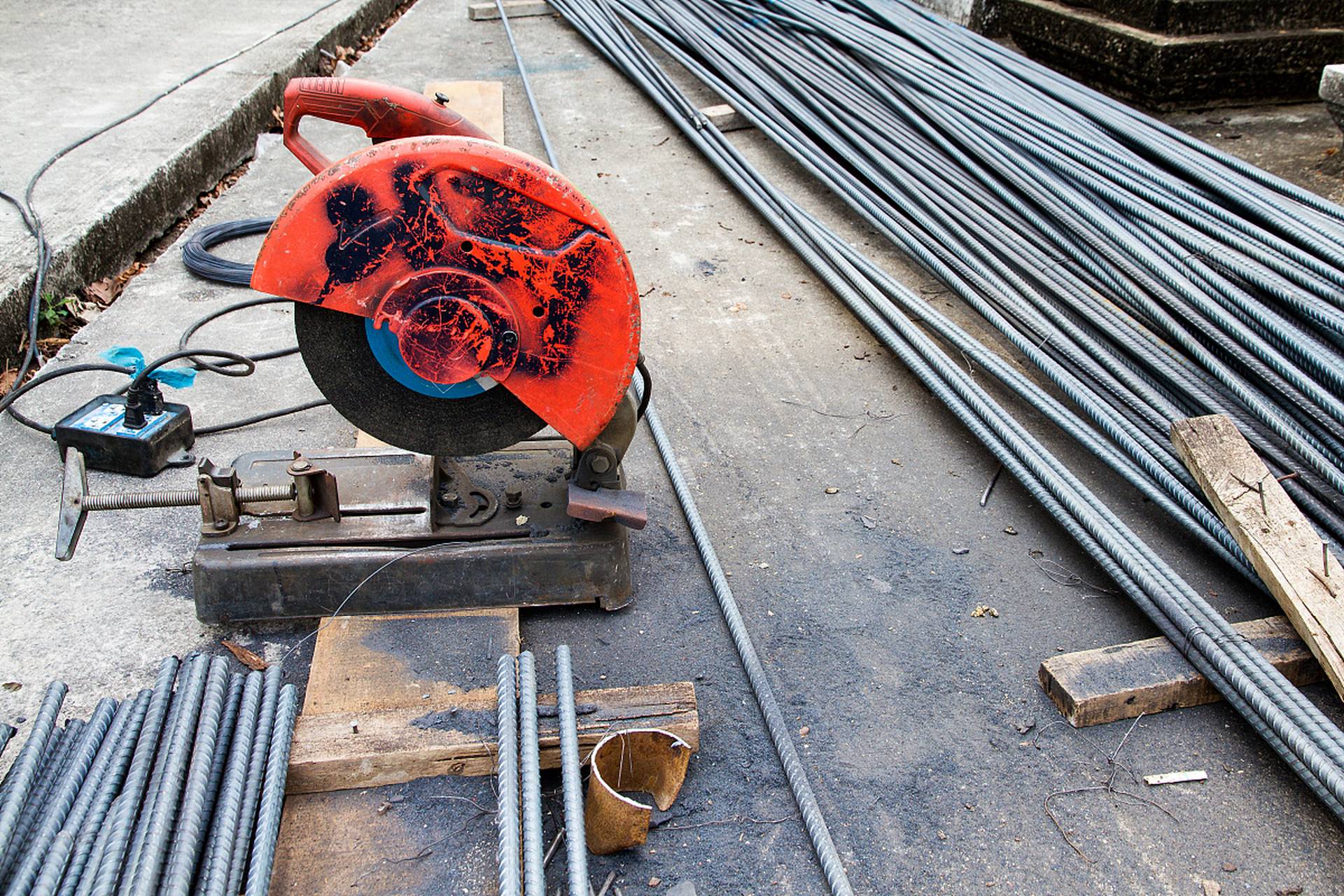
Cutting steel rebar the right way is essential for safe, long-lasting concrete structures. Whether you are a DIY homeowner cutting a few bars at home or a contractor working on a busy job site, knowing how to cut steel rebar safely and accurately will save you time, reduce waste, and help prevent dangerous failures.
In this step-by-step guide, you will learn how to cut steel rebar using both manual and power tools, which cutting method works best for different bar sizes, how to cut rebar at home without professional machines, and the safety precautions you should follow on every project.
Understanding Steel Rebar Basics
Rebar, short for reinforcing bar, is a steel rod used to strengthen concrete so it can resist tensile forces that plain concrete
Read morePosted: December 05, 2025 -
Quick Tip: If you need a printable table, please use your browser's Print function to save this page.
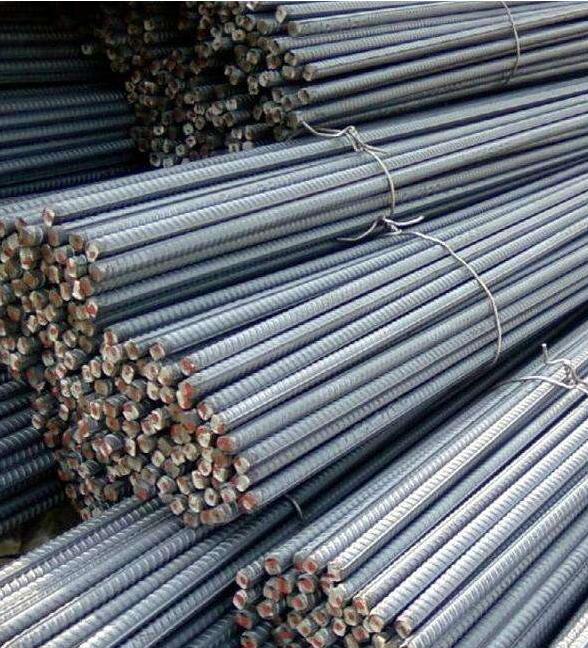
When working on construction projects, understanding steel rebar sizes is crucial for ensuring structural integrity and meeting industry standards. Steel rebar, short for reinforcing bar, is a key component in concrete construction, providing the tensile strength that concrete alone lacks.
To help you navigate the various options available, we have put together a detailed guide on steel rebar sizes, complete with a handy table for quick reference.
What is Steel Rebar?
Steel rebar is a steel rod used in concrete to reinforce and strengthen it. These rods are typically made from carbon steel and are ribbed or textured to help them bond more
Read morePosted: December 04, 2025 -
Steel rebar is the backbone of reinforced concrete construction. Below is the comprehensive 2025 Standard Steel Rebar Size Chart.
Useful for your project? [ Click Here to Print / Save as PDF ]
Size Read morePosted: December 04, 2025 -
Radiant floor heating is only as good as the insulation beneath it. Without a proper layer under your slab or subfloor, a big share of that heat drifts into the ground instead of into the room you’re trying to warm. That’s where radiant floor reflective foil insulation earns its keep: a thin, highly reflective layer that helps push more heat upward, boosting comfort and lowering waste.
Contractors, growers, and facility managers want three things from any insulation choice: predictable performance, easy installation, and a clear payback. This guide walks through how reflective foil works, where it fits (and where it doesn’t), and how to evaluate products before you buy.
At Wellco Wholesale, we see this
Read morePosted: November 28, 2025 -
If you’ve ever walked into a restaurant where you had to shout to be heard, or a meeting room where voices echo on video calls, you’ve already felt the problem acoustic wall panels are designed to solve. Modern homes, offices and commercial spaces rely heavily on hard surfaces—glass, concrete, tile—which look clean but bounce sound around.
This guide explains what acoustic wall panels are used for in real-world settings, from busy offices to home theaters, so you can decide where they make sense in your projects. Along the way, we’ll walk through key applications, buying tips and an example project, with a focus on practical, trade-ready advice.
As a one-stop, factory-direct wholesaler, Wellco Wholesale
Read morePosted: November 27, 2025