Is Aluminum Foil Good for Insulation? 5 Myths & Money-Saving Facts
Is aluminum foil a good insulator? This simple question often sparks curiosity among homeowners, DIY enthusiasts, and anyone looking to maintain ideal temperatures—whether in the kitchen or around the house. Aluminum foil’s shiny appearance and seemingly lightweight structure can be deceptive, leaving many people unsure about how well it really insulates. In this article, we’ll explore the fundamentals of how insulation works, uncover key facts about aluminum foil, and share practical tips on making the most of its properties.
The Basics of Insulation
Insulation is all about minimizing heat transfer from one space to another. In everyday scenarios, we typically want to keep hot items hot or cold items cold for as long as possible. While there are many types of materials used for insulation, understanding how heat travels is essential in determining if aluminum foil is a suitable choice.
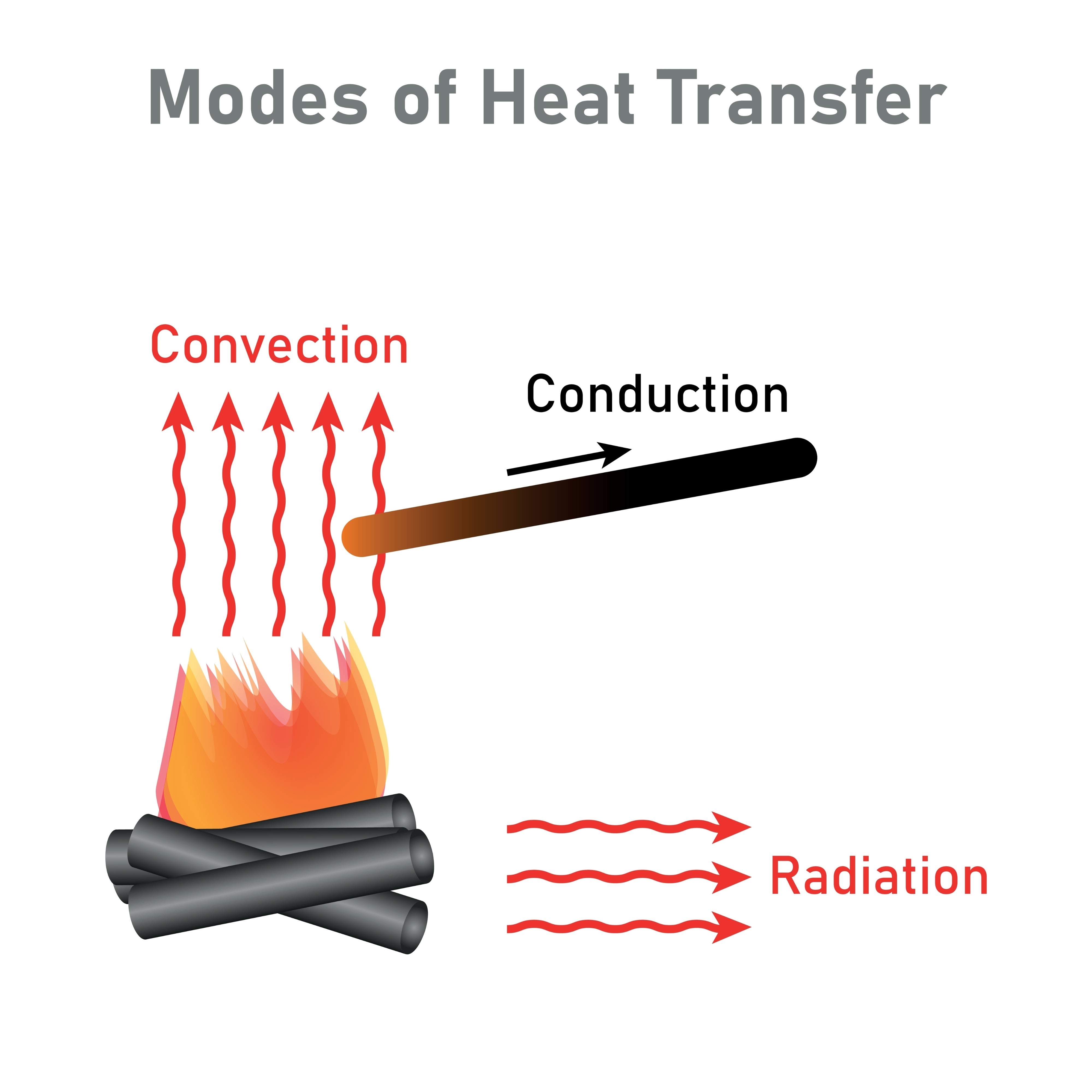
Conductive vs. Radiant Heat Transfer
- Conductive Heat Transfer: This occurs when heat flows through direct contact between materials. Metal pans, for instance, conduct heat quickly, which is why they warm up fast on a stovetop.
- Radiant Heat Transfer: This is the heat emitted from a warm surface traveling through space. An example is the warmth you feel when sitting near a campfire.
Aluminum foil’s effectiveness can differ depending on which type of heat transfer is most prominent. Its reflective surface is especially good at reflecting radiant heat, making it more effective for certain uses.
Thermal Conductivity of Aluminum
Aluminum is actually a great conductor of heat, which is one reason it’s used in cookware. However, when used as a thin foil in insulation, its reflective capabilities come into play. According to the U.S. Department of Energy, radiant barriers—often made with aluminum foil—can reduce cooling costs by 5% to 10% in warm, sunny climates by reflecting solar heat away from homes. This demonstrates that, while aluminum is conductive, it still has beneficial insulating properties when used correctly.
Aluminum Foil: Key Facts You Should Know
Fact 1: Reflective Properties
One of the biggest strengths of aluminum foil is its ability to reflect radiant heat. When placed around an object, the foil helps bounce heat away. For instance, if you’re wrapping foods to keep them warm, the foil’s shiny surface can reflect external temperatures, slowing down the warming or cooling effect from outside.
Fact 2: Thickness Matters
The thickness of aluminum foil influences how well it insulates. Thicker foil tends to perform better because it’s less likely to tear and can maintain its shape, creating a more effective barrier. Thinner foil is still useful but may need multiple layers for optimal insulation.
Kitchen Foil vs. Professional Insulation: Why You Need an Upgrade
While kitchen aluminum foil is excellent for wrapping leftovers, relying on it for home insulation—like covering windows, garages, or attics—is often a mistake. It is designed for conductivity (cooking), not durability or thermal resistance.
If you are looking for real energy savings, here is why you should upgrade from standard kitchen foil to Professional Reflective Insulation:
1. The "Air Gap" Factor (Thermal Break)
This is the most critical difference. Kitchen foil is just a thin sheet of metal. If it touches a cold window or a hot roof, heat will simply conduct (travel) right through it.
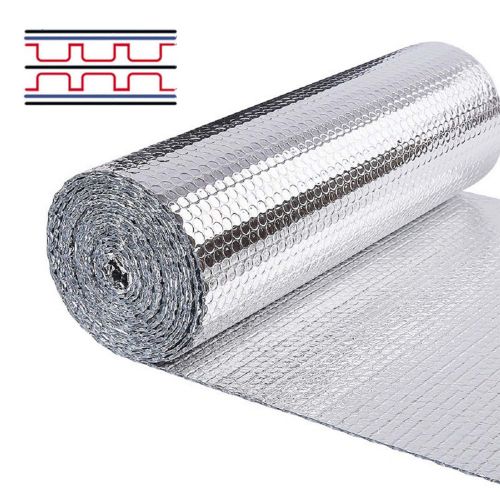
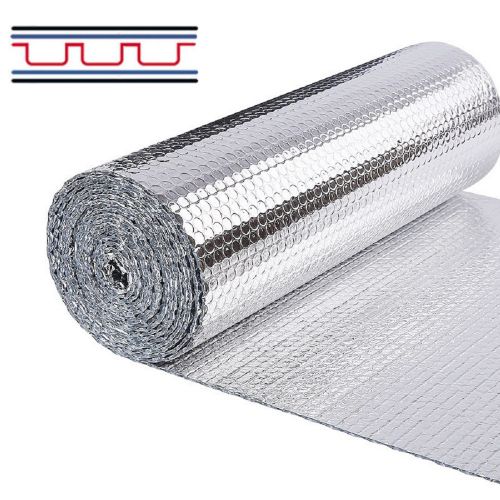
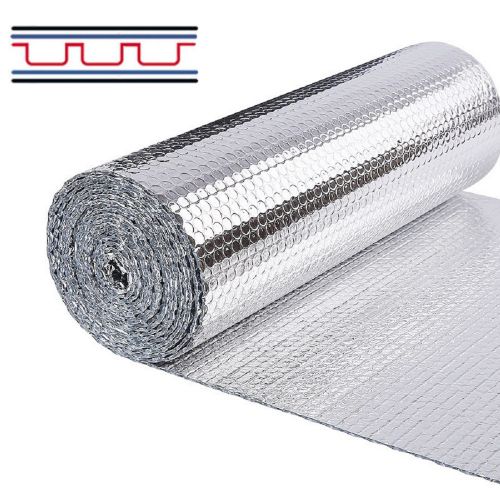
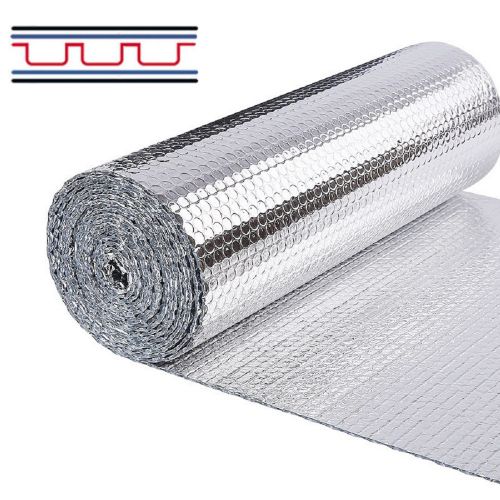
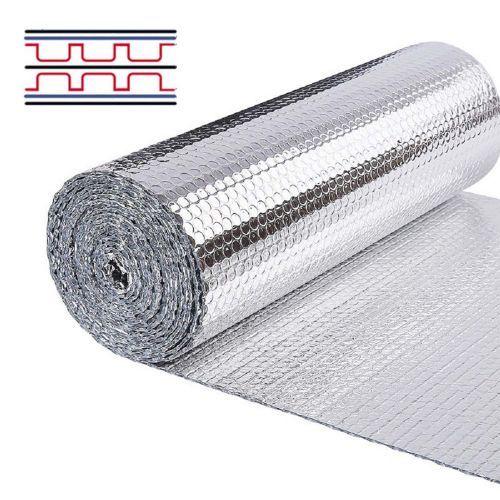
Professional solutions, like Double Bubble Reflective Foil Insulation, feature a structure of air bubbles sandwiched between foil layers. These air pockets create a thermal break, effectively stopping heat transfer by conduction. Kitchen foil simply cannot do this.
2. Durability and Width
Standard kitchen foil is extremely thin (usually around 0.016mm) and narrow (12-18 inches). Trying to cover a large window or wall requires overlapping strips and messy tape. One accidental poke, and it tears, ruining the insulation seal.
In contrast, Wellco’s professional insulation is:
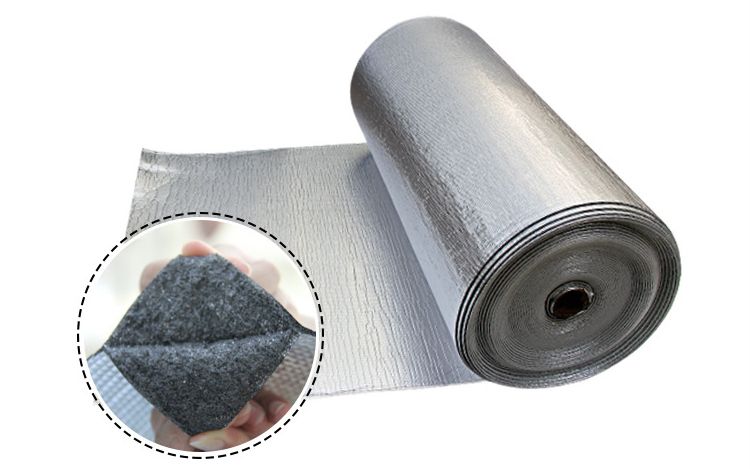
- Tear-Proof: Reinforced with a strong core, making it impossible to rip by hand.
- Wide & Efficient: Available in wide rolls (e.g., 48 inches) to cover large areas quickly with fewer seams.
- Moisture Resistant: Acts as a vapor barrier to prevent mold and humidity issues.
Comparison: Kitchen Foil vs. Professional Bubble Foil
| Feature | Kitchen Aluminum Foil | Wellco Professional Bubble Foil |
|---|---|---|
| Structure | Single thin layer | Multi-layer (Foil + Air Bubbles) |
| Insulation Value | Reflects light only | Reflects Heat + Stops Conduction |
| Durability | Tears easily | Heavy-duty & Tear-resistant |
| Best For | Roasting Turkey | Windows, Attics, Barns, RVs |
Don't waste time and tape on flimsy kitchen wrap. For a long-lasting solution that actually lowers your energy bills, choose a professional radiant barrier.
Fact 3: Real-World Uses for Kitchen Foil
- Cooking and Food Storage: Many people use aluminum foil to wrap hot foods or cover casserole dishes to retain heat.
- Emergency Blankets: Those shiny emergency blankets you see hikers carrying often include a foil-like material to reflect body heat inward.
- Quick DIY Fixes: It can serve as a temporary reflector behind a radiator, but remember it is not a long-term solution.
Fact 4: Environmental Considerations
Aluminum foil is recyclable in many areas, though it must be clean and free of food residue to be accepted. Producing aluminum can be energy-intensive, so it’s essential to reuse and recycle whenever possible. Some eco-conscious consumers might opt for alternative insulators or reusable containers, but aluminum foil can still be environmentally friendly if used wisely.
Fact 5: Cost-Effectiveness
A roll of aluminum foil is relatively inexpensive, especially when compared to specialized insulation products. When used for short-term applications—like wrapping leftover food or creating a makeshift insulation barrier—it can be a budget-friendly solution.
How to Maximize Aluminum Foil’s Insulating Benefits
Proper Wrapping Techniques
- Wrap Tightly: Ensure there are no gaps or open edges where heat can escape.
- Double Up: For better insulation, consider wrapping items in two layers of foil. This extra layer can help trap air, which serves as an additional insulating layer.
- Add Some Cushion: Placing a layer of paper towels or cloth between foil layers can create an air pocket for extra insulation when storing hot or cold foods.
Combining with Other Materials
Aluminum foil can be combined with other insulating materials for enhanced performance. For instance, placing aluminum foil between layers of cardboard in a makeshift cooler can help maintain low temperatures by reflecting heat away. Likewise, pairing foil with fiberglass insulation in attic spaces can greatly reduce heat gain.
Is Aluminum Foil the Ultimate Choice?
Aluminum foil is effective for many short-term and specific applications, but is it the best overall insulator for every situation? The answer depends on your needs.
Comparing Aluminum Foil to Other Insulators
- Fiberglass Insulation: Widely used in buildings for its high R-value (a measure of thermal resistance). More suitable for long-term, structural insulation.
- Polystyrene Foam (Styrofoam): Known for insulating cold items, such as in foam coolers.
- Professional Radiant Barriers (Bubble Foil): The superior choice for buildings, utilizing both reflection and air-gap insulation to prevent heat transfer effectively.
While aluminum foil shines when reflecting radiant heat, it may not be as efficient in preventing heat transfer through conduction compared to materials like fiberglass or professional bubble foil. However, when used correctly—especially for quick fixes and short-term insulation—aluminum foil remains a practical choice.
Conclusion
So, is aluminum foil a good insulator? In many scenarios, absolutely. Its reflective surface helps keep radiant heat at bay. However, for home improvement projects like windows or attics, it lacks the durability and thermal break needed for real efficiency.
For best results, upgrade to professional Reflective Bubble Insulation to save energy and money in the long run.
If you found this article helpful, feel free to share it with friends, leave a comment below about your experiences with aluminum foil insulation, or subscribe to our newsletter for more insights and practical tips!
Related Products